How to Get Rid of Dark Circles (And Why They Happen)
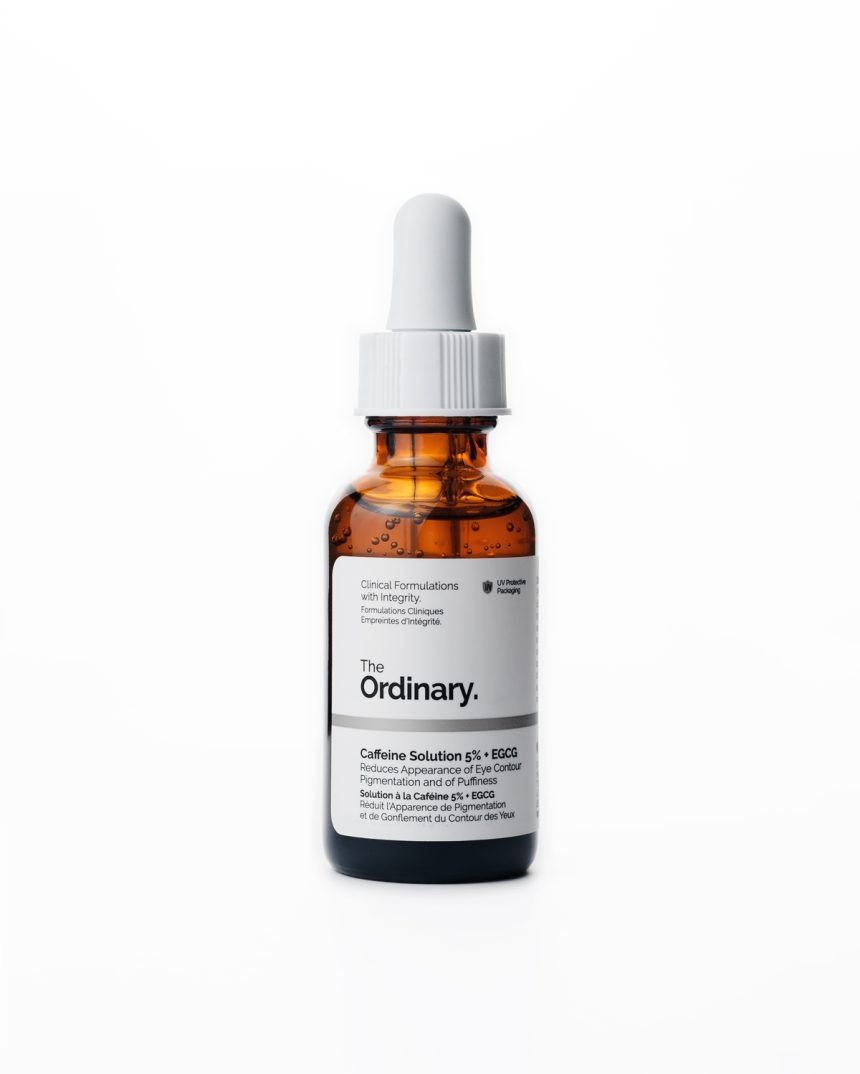
Short answer: Dark circles are usually not caused by tiredness. The main causes are genetics, naturally thin under-eye skin showing blood vessels beneath, extra pigment in the skin, and shadows cast by your facial structure. Creams can help the pigment and puffiness types modestly, but no cream can change your bone structure or your genes. Matching the fix to your type is what actually works.
First, work out your type
1. Blue or purple circles — the blood vessel type. The skin under your eyes is the thinnest on your body. If your circles look blue, purple or reddish, you are often seeing blood vessels and muscle through that thin skin. This type runs strongly in families and worsens with age as skin thins further. Press the skin gently and stretch it slightly: if the colour stays, it is likely this type.
2. Brown circles — the pigment type. If the colour is brown and stays the same when you stretch the skin, extra melanin pigment is the cause. This is more common in medium and deep skin tones, and is made worse by sun exposure and by rubbing the eyes (allergies and eczema are common triggers).
3. Shadow circles — the structure type. Hollows under the eyes (the tear trough) cast a shadow that looks like darkness but is really shape and lighting. Test: shine a light directly at your face from the front. If the “circles” largely disappear, they are shadows, not colour.
What helps, by type
For all types: sunscreen. UV deepens pigment and thins skin faster over time. A gentle SPF around the eyes (sunglasses help too) prevents every type from getting worse.
For brown, pigment circles: vitamin C and gentle brighteners. Vitamin C, niacinamide and azelaic acid around the eye area can gradually lighten pigment over 8–12 weeks. Stop rubbing your eyes — treat the allergy or itch instead.
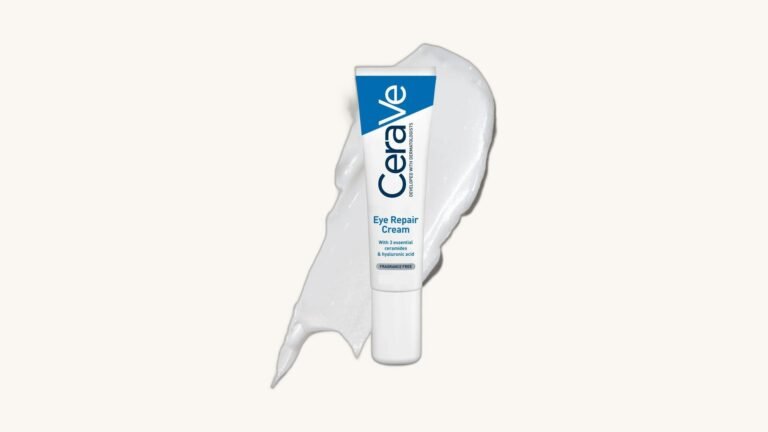
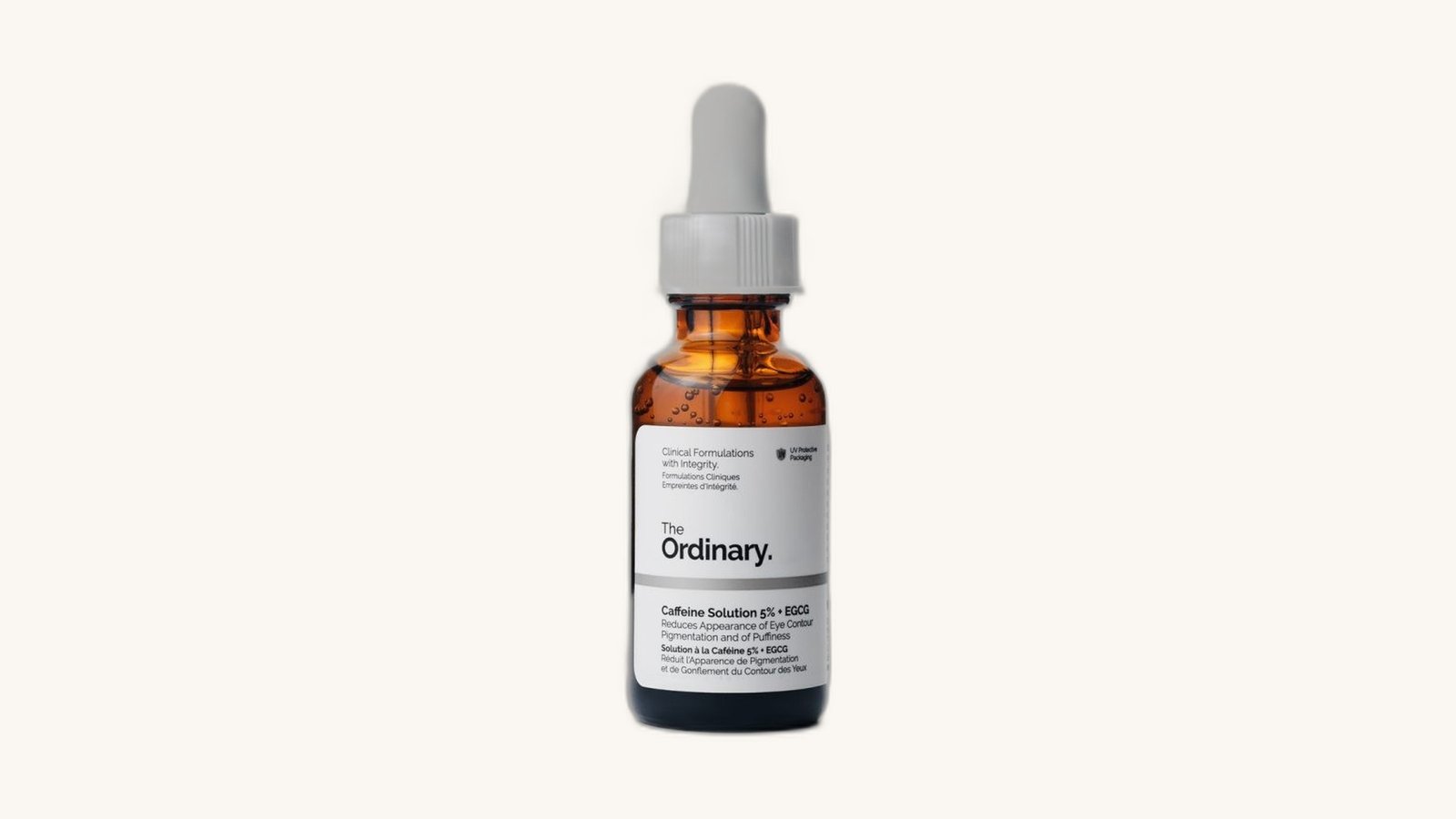
For blue, vessel circles: caffeine eye creams and gentle retinoids. Caffeine temporarily constricts blood vessels and reduces puffiness, so circles can look a little better for some hours — a modest, temporary effect, honestly stated. A very gentle retinoid made for the eye area can slowly thicken the skin over months, making vessels less visible. Go slowly: this skin irritates easily, and irritation makes circles look worse.
For shadow circles: honesty first. Creams cannot fill a hollow. Skincare will not fix this type; only makeup technique (colour correcting and not over-brightening, which can emphasise hollowness) or in-clinic filler treatment changes it — and filler near the eyes is a decision for an experienced medical professional, not a beauty trend to copy from social media.
The lifestyle part — honestly
Sleep matters, but less than the beauty industry implies. Poor sleep makes every type look worse — skin is paler, so vessels show more, and fluid collects as puffiness. Seven to nine hours helps you look fresher; it will not remove genetic circles. Drinking water is similar: dehydration makes circles look deeper, but extra water beyond normal hydration does not erase them. Cold compresses and sleeping with your head slightly raised genuinely help morning puffiness, because the fluid drains.
Frequently asked questions
Do eye creams actually work?
Within limits. They can moisturise, slightly reduce puffiness (caffeine), and slowly help pigment (vitamin C, niacinamide). They cannot fix genetics, thin skin overnight, or structural shadows. A good moisturiser plus sunscreen does much of what expensive eye creams promise.
Why do I have dark circles even though I sleep well?
Because sleep is usually not the cause. Genetics, thin skin, pigment and facial structure are. If your parents have them, you likely will too — the goal is improvement, not perfection.
Can allergies cause dark circles?
Yes — allergic shiners are a real thing. Chronic allergies cause congestion and eye rubbing, both of which darken the area. Treating the allergy often improves the circles more than any cream.
When should I see a doctor about dark circles?
See one if circles appear suddenly, affect only one eye, or come with other symptoms like fatigue and weight change. Anaemia (low iron) and thyroid problems can show up around the eyes, and those need blood tests, not eye cream. Also see a dermatologist if the skin itself is itchy, scaly or inflamed — that may be eczema needing treatment.