Where Should You Actually Apply Blush? (Explained Simply)
Blush placement changes your whole face shape. Here is where to put it for a lifted, natural or youthful look — and why the old “apples of your cheeks” rule is outdated.
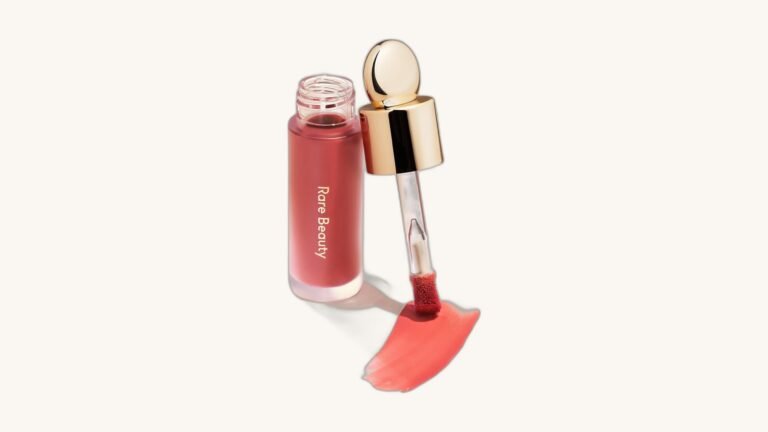
Blush placement changes your whole face shape. Here is where to put it for a lifted, natural or youthful look — and why the old “apples of your cheeks” rule is outdated.
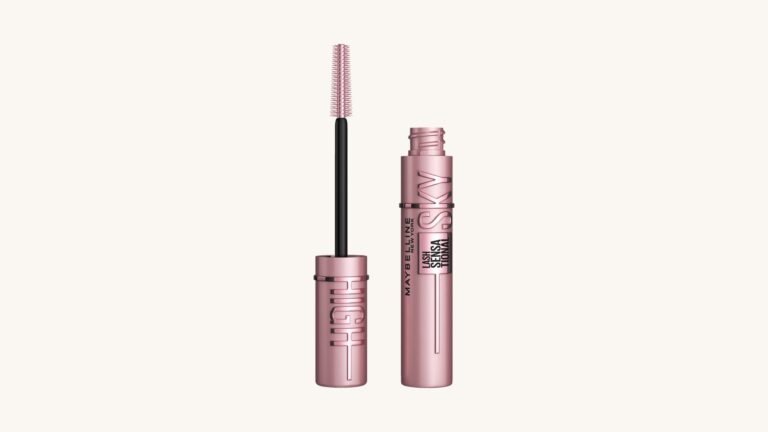
Mascara should be replaced every three months — sooner than almost any other makeup. Here is why, the expiry dates for the rest of your makeup bag, and the signs a product is already off.

Short answer: Your undertone is the permanent hue beneath your skin’s surface — warm, cool, neutral, or olive — and it does not change with tanning. The quick tests (veins, jewellery, white-versus-cream) give useful clues, but the test that actually decides it is swatching foundation shades along your jawline in natural daylight and seeing which…

Short answer: Creasing happens when too much product collects in the fine lines under your eyes — so the fix is almost never more concealer. Prep the skin, use far less product than you think, apply it only where the darkness actually is, blend the edges away, and set it with the smallest possible amount…
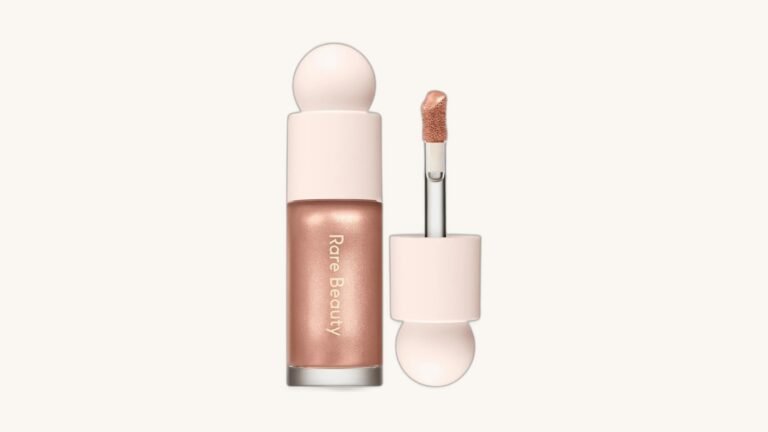
Short answer: Highlighter works when it copies what real light does: it catches the high points of your face, in a thin layer, with a shade close to your own skin. Apply a small amount to the tops of the cheekbones, the brow bone, a touch down the centre of the nose and the cupid’s…

Short answer: First find your undertone — warm, cool, or neutral — using your wrist veins or jewellery. Warm undertones glow in coral, brick and warm reds; cool undertones shine in berry, plum and blue-based reds; neutral undertones can wear almost anything. Then pick a shade one or two tones deeper than your natural lip…

Short answer: Lipstick lasts when it is applied in thin layers on smooth, dry lips — not in one thick coat over lip balm. The routine that works: exfoliate, moisturise then blot, line and fill the whole lip, apply a thin layer, blot, dust with a little powder, then apply a second layer. That process…