How to Get Rid of Acne Scars (What Actually Fades Them)
Short answer: First, the honest part: most marks people call acne scars are not scars at all — they are flat dark or red marks left after a spot heals, and those fade with sunscreen, azelaic acid and a retinoid over a few months. True scars — the indented, pitted kind — cannot be fixed by any cream, because the skin has lost collagen underneath. Those need in-clinic treatments. Knowing which type you have saves you money and disappointment.
Step one: marks vs true scars
Flat marks (most common). After a pimple heals, it often leaves a flat brown mark (called post-inflammatory hyperpigmentation, or PIH) or a red/pink mark (PIE). The surface is smooth — only the colour is different. These are not permanent and respond well to skincare.
True scars. These change the texture of the skin. Indented (atrophic) scars — icepick, boxcar and rolling scars — sit below the surface because collagen was destroyed during inflammation. Raised (hypertrophic) scars sit above it. No cream, oil or home remedy can rebuild that missing collagen — anyone who promises otherwise is selling you hope, not treatment.
What fades dark marks
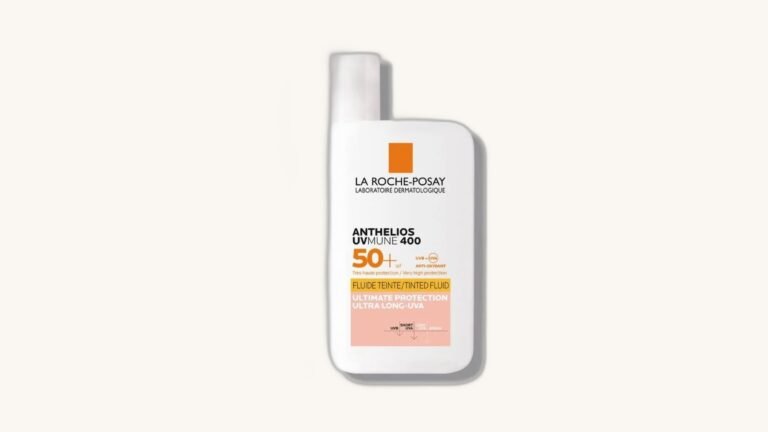
1. Sunscreen — the non-negotiable. UV light tells your skin to make more pigment, which keeps dark marks dark. Without daily SPF 30 or higher, every other product works at half strength. This is the single most skipped — and most important — step.
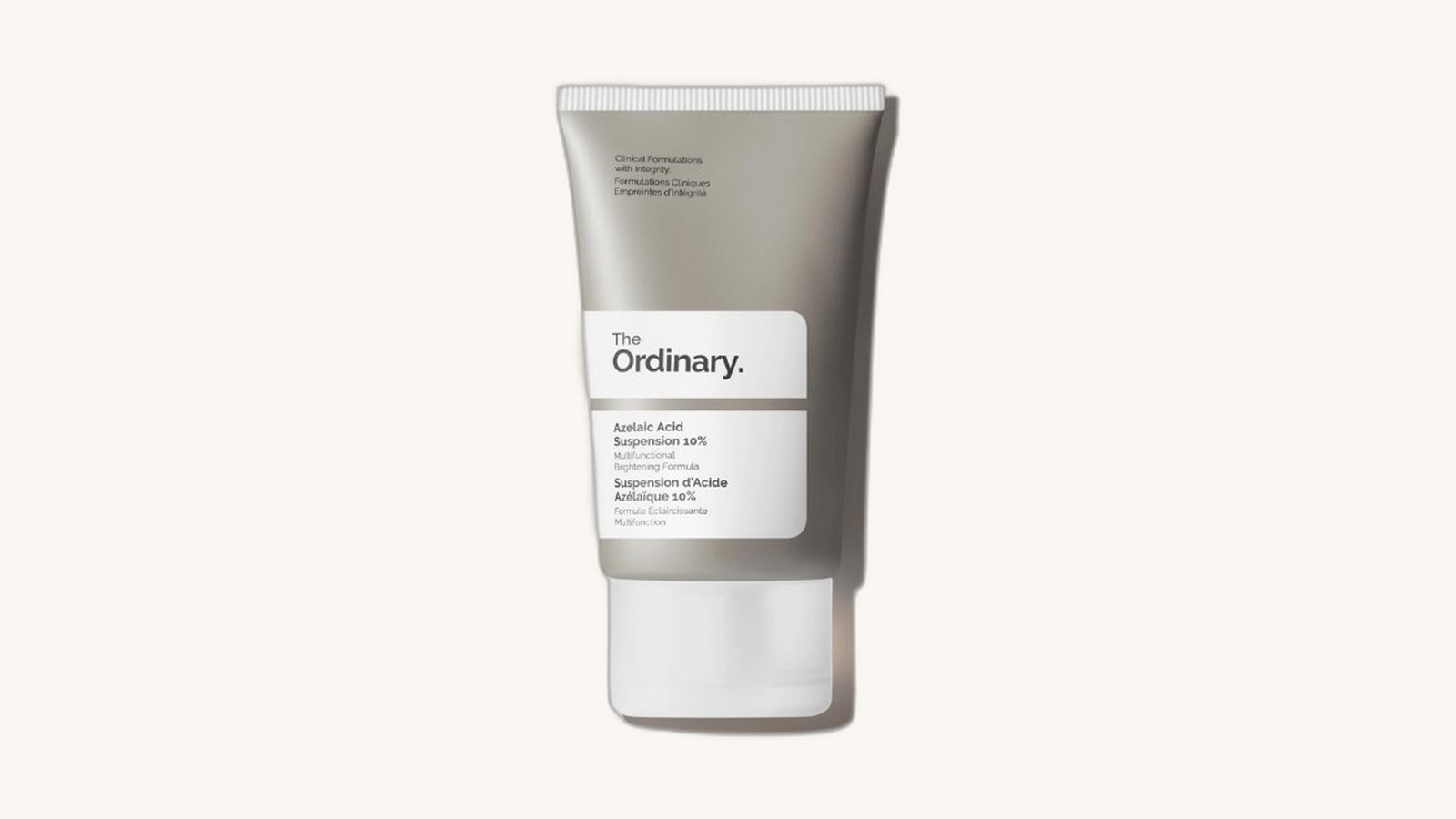
2. Azelaic acid. One of the best ingredients for post-acne marks: it calms inflammation, gently speeds up cell turnover and slows excess pigment production. It suits sensitive skin better than many alternatives and can be used morning or night, typically at 10% in cosmetic products.
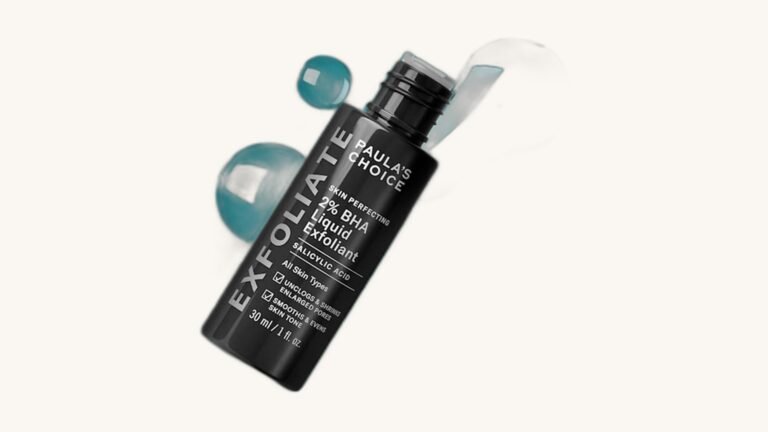
3. A retinoid (such as adapalene or retinol). By speeding up cell turnover, retinoids help pigmented cells shed faster and support collagen over time. This also helps prevent the new breakouts that create new marks.
4. Vitamin C and niacinamide. Both help even out skin tone and fade surface pigment gradually. They pair well with the ingredients above and are usually well tolerated.
How long do marks take to fade?
Months, not days. With consistent treatment and daily sunscreen, most dark marks fade noticeably in 3–6 months; deeper pigment, especially on medium and deep skin tones, can take 6–12 months. Red marks fade on a similar timeline as the skin calms down. Photograph your skin monthly in the same light — the change is real but slow.
What about indented scars?
For true atrophic scars, effective options are in-clinic: microneedling, fractional laser, medium-depth chemical peels, subcision (releasing the fibres tethering a rolling scar down) and occasionally filler. A dermatologist often combines two or three of these over several sessions. Results are improvement — often significant — rather than perfect erasure, and treatments cost real money, so an honest consultation matters. Be cautious with deep treatments if your skin is prone to dark marks, as some procedures can temporarily worsen pigmentation on deeper skin tones.
The best scar treatment is prevention
Treat active acne properly and early, never squeeze spots, and wear sunscreen while marks are healing. Every prevented pimple is a mark or scar that never happens.
Frequently asked questions
Does vitamin E oil or bio-oil remove acne scars?
There is no good evidence that these oils fade acne marks or scars. They moisturise, which is harmless, but they will not do what sunscreen and azelaic acid do.
Can lemon juice or baking soda fade the marks?
No — lemon juice can irritate and even cause light-sensitive burns, and baking soda disrupts your skin barrier. Both commonly make marks last longer.
Will the marks go away on their own?
Flat marks usually fade eventually even without treatment, but it can take a year or more. Sunscreen plus one active ingredient speeds this up a lot. True indented scars do not go away on their own.
When should I see a dermatologist about scars?
If your scars are indented or raised, if marks are spreading or very dark, or if acne is still active and leaving new marks. Treating the acne first is essential — scar treatments work poorly while new spots keep forming.