Can You Actually Shrink Your Pores? (The Honest Answer)
Short answer: No — not permanently, and not in the way products claim. Pores are not doors: they have no muscles, so they cannot open or close, and their base size is mostly set by genetics. The good news is that pores usually look big because they are clogged with oil or because the skin around them has lost firmness. Clear the clog and support the skin, and the same pores can look dramatically smaller.
Why pores look big in the first place
1. Genetics and skin type. Oily skin types simply have larger, more active pores — oil glands and pore size go together. If your parents have visible pores, you probably will too.
2. Clogs stretch them. Every pore is the opening of a tiny oil gland. When oil and dead skin build up inside (the start of a blackhead), the pore is physically stretched wider — and dark, oxidised oil at the surface makes it even more noticeable.
3. Age and sun damage. Collagen keeps skin firm and pores tight-looking. As collagen declines with age and UV damage, the skin around each pore loosens, and pores appear larger and more oval.
What makes pores LOOK smaller
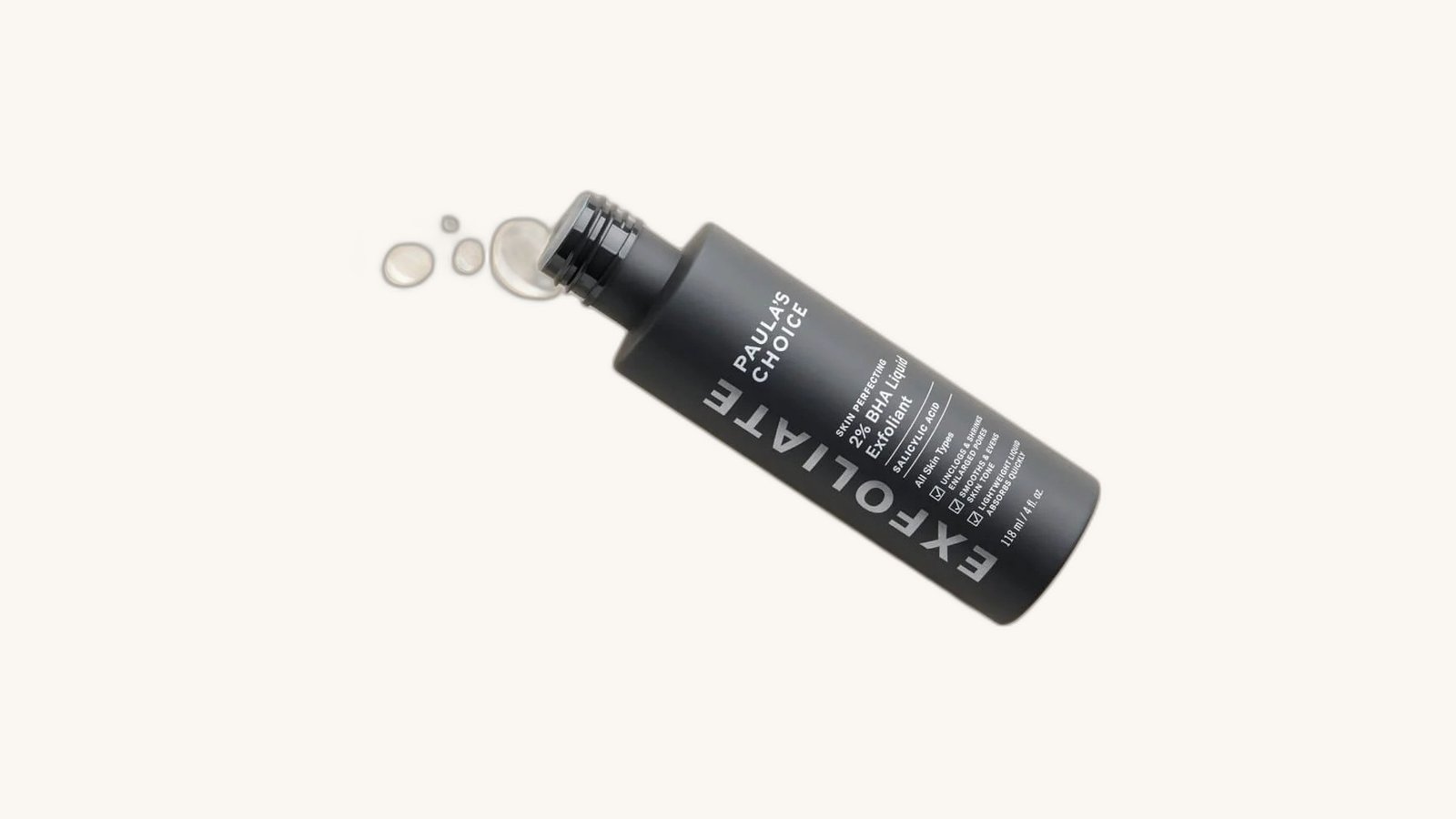
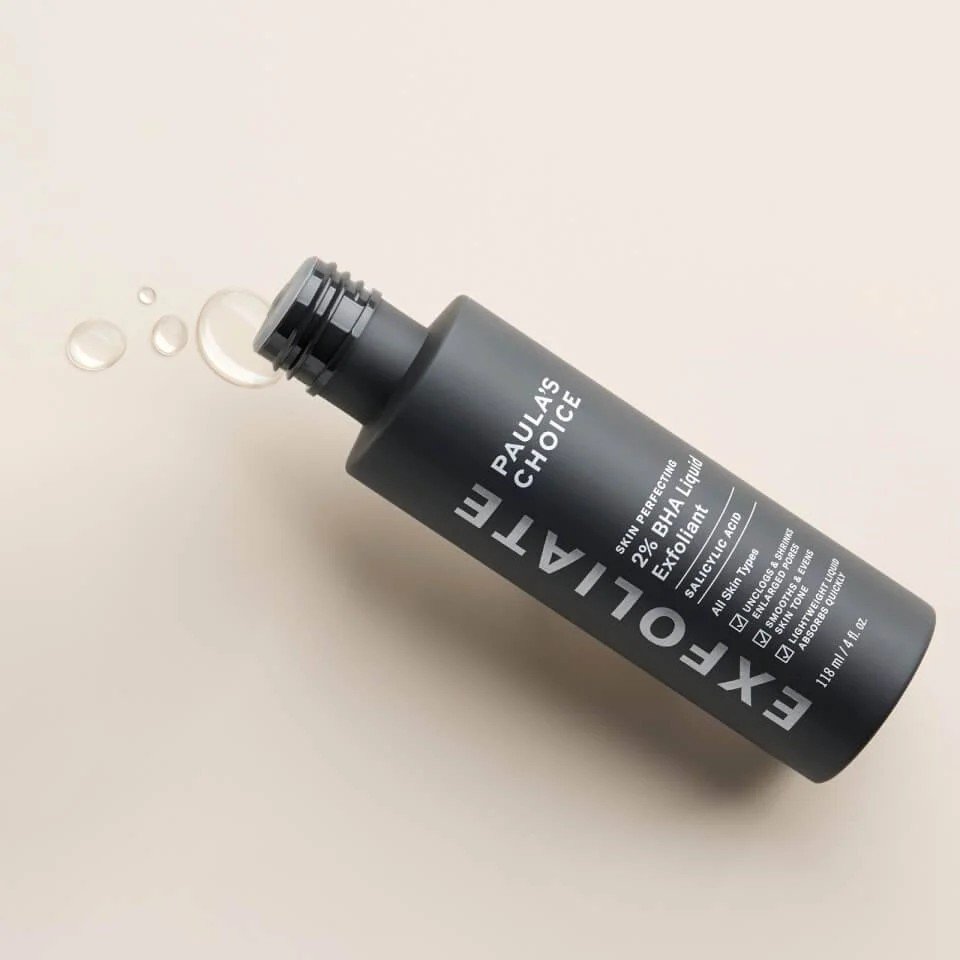
1. Salicylic acid (BHA). The single most useful ingredient for pores. It dissolves in oil, travels inside the pore, and clears out the plug that is stretching it. A 2% leave-on BHA, used a few times a week, is the standard recommendation — give it 4–6 weeks.
2. Niacinamide. Used regularly (2–5% is enough), it helps balance oil production and improves skin elasticity, so pores are less obvious. It is gentle and pairs with almost everything.
3. Retinoids. By supporting collagen and speeding cell turnover, retinoids like adapalene or retinol help keep pores clear and the surrounding skin firmer over months. This is slow, structural improvement — think 3–6 months.
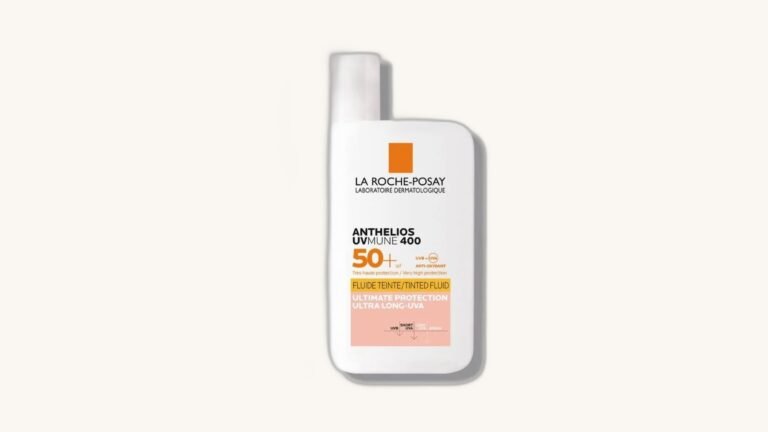
4. Sunscreen, every day. UV breaks down collagen faster than almost anything else. Daily SPF 30+ is how you stop pores from looking bigger year after year.
5. Clay masks — a temporary fix. A clay mask absorbs surface oil, so pores look smaller for a few hours. Useful before an event; it changes nothing long-term, and no honest product should claim otherwise.
The myths to stop believing
- “Hot water opens pores, cold water closes them.” Pores have no muscles and do not open or close. Warm water softens oil so cleansing works better; cold water just feels tightening for a moment. Very hot water actually irritates skin and can worsen redness.
- “Steam opens your pores.” Steam softens the contents of a clog, which can help a facial treatment — the pore itself does not open.
- “Pore strips shrink pores.” They pull out surface plugs, which looks satisfying, but the pore refills within days and the pulling can irritate skin. BHA does the same job more gently and more lastingly.
- “Toner closes pores.” Old-fashioned alcohol toners made skin feel tight, which felt like closing. That tight feeling was irritation, not smaller pores.
A realistic routine for visible pores
- Gentle cleanser, once or twice daily.
- Salicylic acid 2%, a few evenings a week (build up as tolerated).
- Niacinamide serum or a moisturiser containing it.
- Moisturiser suited to your skin type — oily skin still needs one.
- Sunscreen every morning.
- Optional: a retinoid at night, a few times a week, once your skin tolerates the BHA.
Frequently asked questions
Can a product permanently shrink pores?
No product can. Any brand claiming permanent pore shrinking is overstating. What good skincare does is keep pores clear and skin firm, so they look as small as your genetics allow.
Why do my pores look bigger as I get older?
Collagen loss. The skin around each pore loses its firm “frame,” so pores sag and look larger. Retinoids and daily sunscreen are the two proven ways to slow this down.
Are blackheads on my nose actually blackheads?
Often they are sebaceous filaments — normal, natural linings of the pore that look like tiny grey dots. They cannot be removed permanently; BHA keeps them less visible. True blackheads are larger, darker, raised plugs.
When should I see a dermatologist about my pores?
Pores alone are a cosmetic concern, not a medical one. But see a dermatologist if “pores” come with persistent acne, rosacea-type redness, or sudden skin changes — those need real diagnosis, not pore products.