Do You Actually Need a Toner? (Explained Simply)
Toner used to be a harsh, alcohol-heavy necessity. Modern toners are something else entirely. Here is what toner does now, who benefits, and who can skip it completely.

Toner used to be a harsh, alcohol-heavy necessity. Modern toners are something else entirely. Here is what toner does now, who benefits, and who can skip it completely.
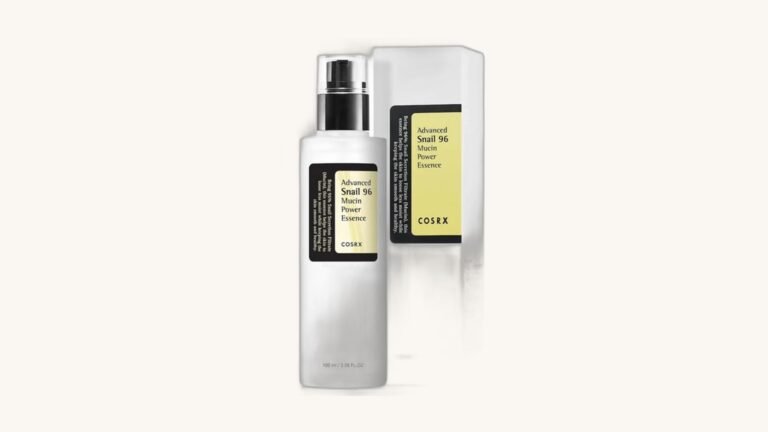
Snail mucin is the filtered slime snails use to repair their own skin. Here is what it can honestly do for yours — deep hydration and support for healing — and what it cannot.

Short answer: Maybe a little — and that “maybe” matters. Earlier reviews of the research found modest improvements in skin hydration and elasticity after 8–12 weeks of collagen peptides. But the largest, most careful analysis to date (2025) found those benefits appeared only in studies funded by supplement companies or judged low quality; independent, high-quality…

Short answer: Exosomes are microscopic messenger bubbles that cells naturally release to signal to each other. The biology is real and genuinely exciting, but skincare claims are running far ahead of the evidence: no exosome product is FDA-approved for any use, human studies on cosmetic products are very few and small, and most products sold…

Short answer: Yes. The famous rule that retinol and vitamin C “cancel each other out” is a myth — no study shows they neutralise each other. The easiest way to use both is vitamin C in the morning and retinol at night, but that split exists to reduce irritation and respect each ingredient’s preferred formula…
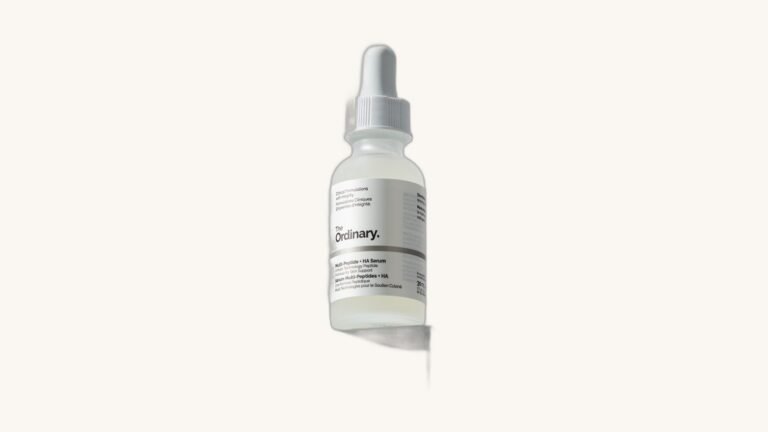
Short answer: Peptides are short chains of amino acids — the same building blocks that make up proteins like collagen. In skincare, they’re used as messengers: certain peptides can signal skin cells to make more collagen, carry useful minerals like copper into the skin, or temporarily soften the muscle contractions behind expression lines. The idea…

Short answer: PDRN is short for polydeoxyribonucleotide — a long name for DNA fragments taken from salmon (usually salmon sperm cells, purified in a lab). In Korea it became famous as a skin-clinic injection nicknamed the “salmon DNA facial.” It is now sold in serums and creams. The honest summary: the ingredient is real and…

Short answer: Azelaic acid is a gentle, multitasking ingredient that calms inflammation, unclogs pores, reduces the bacteria behind acne, and slows down excess melanin — which is why it helps acne, rosacea redness and dark marks at the same time. It is weaker than the strongest prescription treatments but far better tolerated than most actives,…

Short answer: They are not rivals, and your skin does not have to choose. Hyaluronic acid is a water magnet — it pulls moisture into the surface of your skin and makes it look plumper. Niacinamide (vitamin B3) is a barrier supporter — it helps with redness, oil balance, uneven tone and stronger, calmer skin….

Short answer: Retinol is one of the most proven skincare ingredients for fine lines, uneven texture and clogged pores. Beginners ruin it by starting too strong and too often. Start low (0.25–0.5%), use a pea-size amount 2–3 nights a week, buffer it with moisturiser, and wear sunscreen every morning. Slow is what makes it work….