How Do You Fade Dark Spots? (Hyperpigmentation, Explained Simply)
Short answer: Dark spots (hyperpigmentation) are patches where skin has produced too much melanin, usually triggered by sun, hormones or inflammation from spots and irritation. They fade with three things working together: daily sunscreen to stop them darkening, a proven brightening ingredient to slow new pigment, and time — realistically 8–16 weeks. Anything promising faster is exfoliating your patience, not your pigment.
Why dark spots appear
Melanin is your skin’s built-in sun defence. When skin is exposed to UV, stressed by hormones (pregnancy, the pill), or inflamed (a healing pimple, a rash, an over-strong product), it sometimes over-produces melanin in one area. The three common patterns:
- Sun spots — flat brown patches on the face, hands and chest from cumulative sun exposure.
- Post-inflammatory marks (PIH) — the dark or red-brown mark a spot, cut or irritation leaves behind. Very common on medium and deep skin tones, and often more stubborn than the original spot.
- Melasma — larger, symmetrical patches, usually on the cheeks, forehead and upper lip, driven by hormones plus sun and even visible light and heat. Melasma is chronic and needs managing rather than “curing.”
The non-negotiable first step: sunscreen
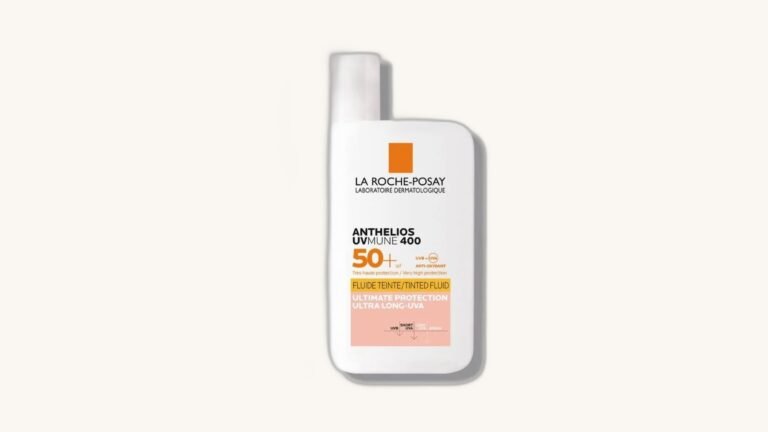
Every brightening product fails without this. UV — and for melasma, visible light too — re-darkens fading pigment daily, so untreated sun exposure quietly cancels your evening serum. A broad-spectrum SPF 30–50 every morning, in the amount you would actually need (about two finger-lengths for the face), matters more than which brightener you choose. For melasma and deeper skin tones, a tinted sunscreen containing iron oxides adds visible-light protection that standard SPF lacks.
Ingredients with real evidence
- Vitamin C — slows melanin production and brightens overall tone; a good all-rounder for sun spots and dullness.
- Azelaic acid — the gentle workhorse: reduces pigment, calms redness, and is one of the better-tolerated options for sensitive skin and melasma.
- Tranexamic acid — a newer brightener with growing evidence, particularly for melasma; usually used as a serum, sometimes prescribed orally by dermatologists for stubborn cases.
- Niacinamide — slows the transfer of pigment to the skin’s surface; mild, well tolerated, and layers with almost everything.
- Retinoids — speed up cell turnover so pigmented cells shed faster; they support the brighteners rather than replacing them.
- Alpha arbutin and kojic acid — gentler pigment-slowers, often combined in brightening serums.
Pick one or two, not all six. Pigment routines fail more often from irritation (which causes new PIH) than from weak products.
How long it honestly takes
Surface pigment from a pimple mark: 6–12 weeks of consistent care. Sun spots built over years: 3–6 months. Melasma: improvement in 8–16 weeks, with maintenance for as long as hormones and sun are in your life. Take a monthly photo in the same light — fading is too gradual to judge in the mirror. If a patch is new, changing, uneven in colour, or itchy, skip the serums and see a doctor first: not every dark patch is cosmetic, and a changing spot needs a professional eye before anything else.
What Real Users Say
Topicals Faded is the brightening serum most associated with this search, and its user reviews are enthusiastic with one unforgettable complaint. It rates around 4 stars across large review counts at Sephora and on the brand’s site, and users with post-acne marks consistently report visible fading within one to two months, with many reviews from deeper skin tones — the audience most brightening products underserve. Reddit threads in r/SkincareAddiction and melasma communities are more measured: users call it a solid slow worker rather than a miracle, and several say results plateaued until they fixed their sunscreen habit, which matches the dermatology advice. The famous complaint is the smell — reviewer after reviewer describes a strong sulphur-like odour they had to learn to tolerate. Other recurring issues: the small 30 ml tube runs out fast at daily use, some users find it slightly sticky under makeup, and a minority report irritation or no change after a full tube.
Sources: Sephora customer ratings and reviews; Reddit threads from r/SkincareAddiction and r/melasma. Searched: “Topicals Faded serum user reviews dark spots smell”.
Frequently asked questions
What is the fastest way to fade a dark spot?
There is no safe fast way. Prescription options (such as hydroquinone, used in supervised cycles) and in-clinic treatments work quicker than cosmetics, but even they are measured in weeks. “Instant” brightening products are usually just exfoliating or light-reflecting.
Can lemon juice or home remedies fade spots?
No — lemon is acidic, irritating, and can make skin more light-sensitive, which darkens pigment. It is one of the most persistent and most counterproductive myths in skincare.
Why did my dark spots get worse in summer?
Because UV exposure outpaced your treatment. Pigment production is switched on by sunlight; a brightening routine without rigorous sunscreen loses ground every sunny day.
Is hydroquinone safe?
It is the long-standing prescription standard for stubborn pigmentation, but it is regulated for good reasons — it should be used in limited cycles under medical guidance, not as an indefinite cosmetic. Never buy unregulated “whitening” creams: some contain steroids or mercury, which cause serious harm.
Do dark spots come back after fading?
They can, especially melasma and sun spots, if the trigger (sun, hormones, picking at spots) continues. Maintenance sunscreen is what keeps the result.