How to Apply Lipstick So It Lasts All Day
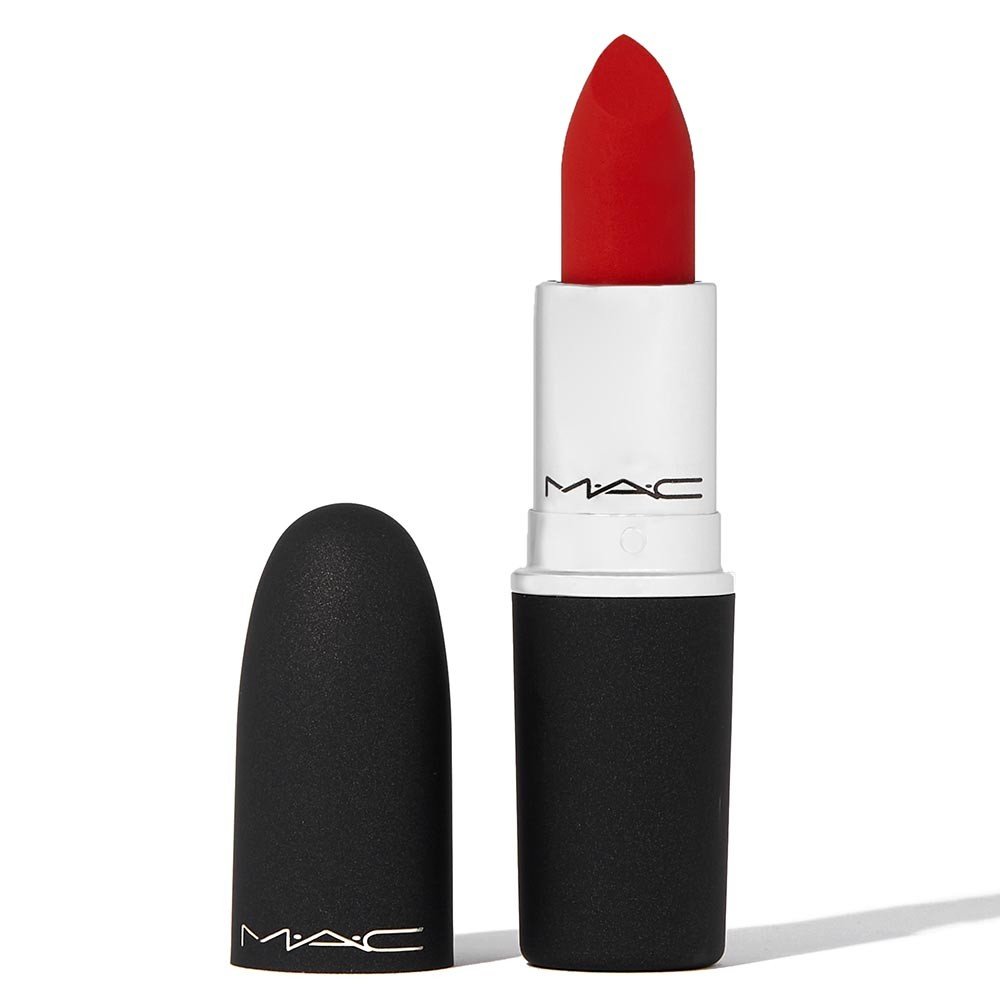
Short answer: Lipstick lasts when it is applied in thin layers on smooth, dry lips — not in one thick coat over lip balm. The routine that works: exfoliate, moisturise then blot, line and fill the whole lip, apply a thin layer, blot, dust with a little powder, then apply a second layer. That process can turn a 2-hour lipstick into a 6-hour one.
Step 1: Prep your lips
Colour clings to smooth skin and slides off dry flakes. Gently exfoliate first — a soft toothbrush, a damp cloth, or a simple sugar-and-honey scrub all work. Then apply a thin layer of lip balm and give it a few minutes to sink in while you do the rest of your makeup.
Important: before applying lipstick, blot the balm off. Lipstick applied over slippery balm will not grip and fades much faster.
Step 2: Line — and fill the whole lip
Lip liner is not just an outline. Line the edge of your lips, then fill in the entire lip with the liner. Liner is drier and waxier than lipstick, so it grips well — and when your lipstick eventually fades, the liner underneath fades evenly with it instead of leaving a dark ring.
Step 3: Apply in thin layers, with the blot method
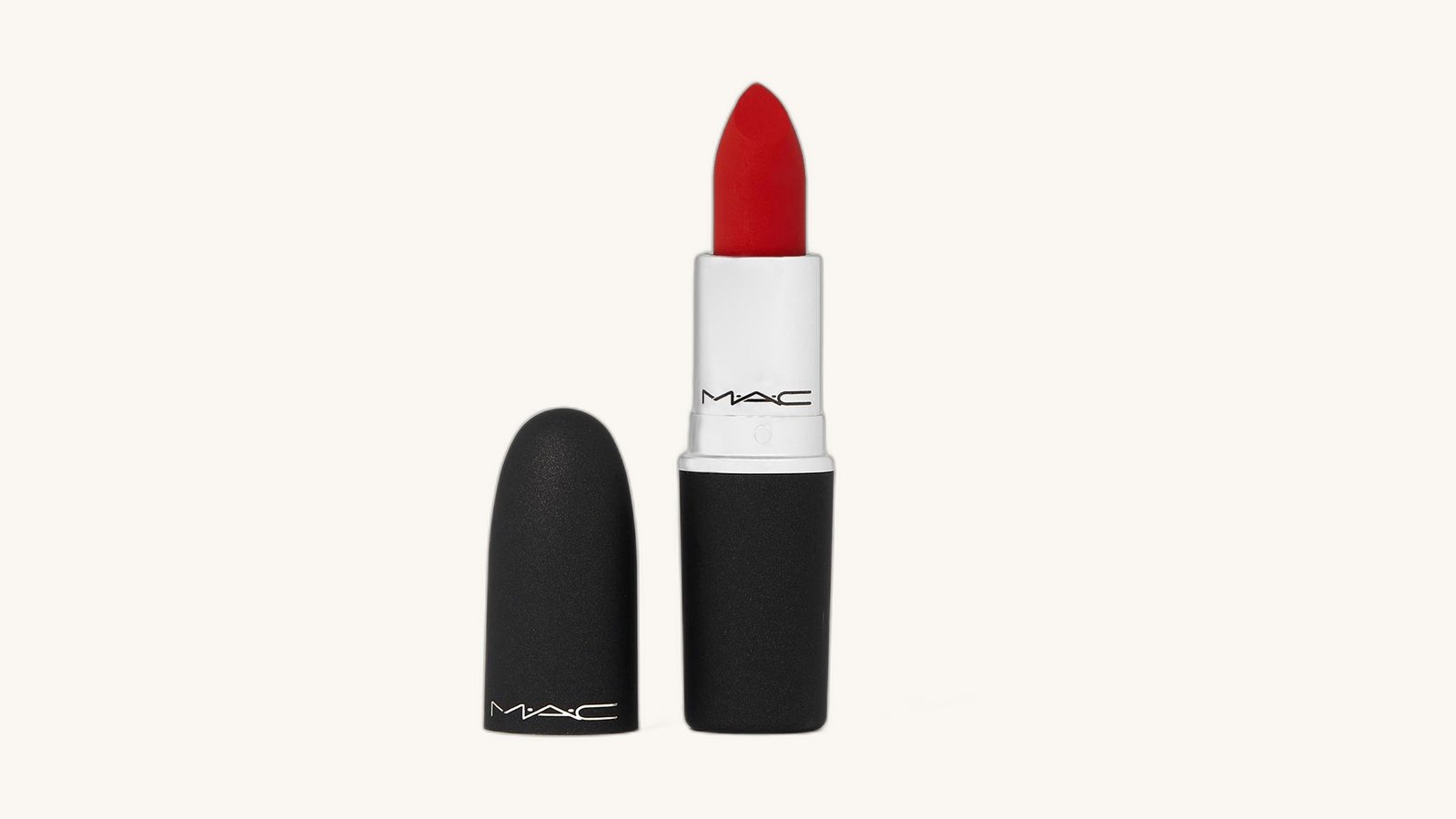
- Apply your first layer of lipstick — straight from the bullet or with a brush for more control.
- Press a tissue lightly against your lips to blot. This removes the slippery top layer and leaves the pigment pressed in.
- Dust a tiny amount of translucent powder over your lips through the tissue (or directly, very lightly). This sets the colour like powder sets foundation.
- Apply a second thin layer. This is your final, fresh-looking coat.
Two thin layers always outlast one thick one. Thick coats sit on the surface and transfer onto cups, food and everything else.
Step 4: Choose the right formula
- Matte and liquid matte lipsticks last longest, but can feel drying — good prep matters even more.
- Satin lipsticks are the comfortable middle ground: decent wear, less dryness.
- Glossy and creamy lipsticks look beautiful but fade fastest. Expect to reapply after eating.
- Lip stains give the longest, most natural wear and are great under other lipsticks.
Eating, drinking and touch-ups
No lipstick fully survives an oily meal — oil breaks pigment down. Drink through a straw when you can, and blot (do not rub) after eating. For touch-ups, you usually only need to refresh the centre of the lips; the outer colour and liner are still there. Carry the lipstick, not your whole makeup bag.
Frequently asked questions
Why does my lipstick always fade in the middle first? The centre of your lips touches food, drinks and your other lip most. Filling the whole lip with liner first makes this fading much less noticeable.
Does lip primer actually help? A little. It smooths the surface, but liner used all over the lip does the same job for less money.
How do I stop lipstick bleeding into fine lines? Line the lips, keep the lipstick slightly inside the line, and avoid very glossy formulas, which travel the most.
Can I make a regular lipstick kiss-proof? Almost. The blot-and-powder method above gets most matte and satin lipsticks very close — transfer becomes minimal once the powder sets the layers.