How Do I Find My Skin Undertone?
Short answer: Your undertone is the permanent hue beneath your skin’s surface — warm, cool, neutral, or olive — and it does not change with tanning. The quick tests (veins, jewellery, white-versus-cream) give useful clues, but the test that actually decides it is swatching foundation shades along your jawline in natural daylight and seeing which one disappears.
Undertone is not skin tone
Skin tone is the surface colour — fair, medium, deep — and it can change with sun, season, and health. Undertone is the subtle colour that shows through from beneath: yellow, golden, or peachy (warm); pink, red, or bluish (cool); a mix with no obvious lean (neutral); or a muted greenish-grey cast (olive, which can be warm or cool and is the most commonly missed). Two people with identical surface depth can need completely different foundations, lipsticks, and hair colours because their undertones differ. Undertone is why a foundation can be exactly the right depth and still look orange, ashy, or “off.”
The quick tests (clues, not verdicts)
- The vein test: In natural light, look at the inside of your wrist. Veins that look greenish suggest warm undertones; blue or purple suggests cool; if you genuinely cannot tell, you may be neutral. Caveat: this is hard to read on deep skin and under artificial light.
- The jewellery test: Which looks better against your skin — gold or silver? Gold flattering you points warm; silver, cool; both equally, neutral.
- The white test: Hold pure white fabric and off-white/cream fabric near your face. If pure white looks better, you lean cool; if cream is kinder, warm.
- The sun test: Do you tan easily to a golden brown (often warm) or burn first and turn pink (often cool)? A supporting clue only — never a reason to skip sunscreen.
If the tests disagree — and they often do — trust the swatch test below. Individual tests are folklore-grade evidence; they are starting points, not diagnoses.
The test that actually decides it
Take three foundation shades of your depth — one warm, one cool, one neutral (many brands label them W, C, and N). Stripe all three along your jawline, blending slightly into the neck. Step into natural daylight — shop lighting lies — and wait five minutes, because foundations can oxidise and darken as they dry. The right undertone is the stripe that disappears: the warm stripe will look orange or yellow on cool skin, the cool stripe will look pink or ashy on warm skin, and the correct one simply merges. If every stripe looks slightly green or grey, suspect olive and look for shades described as olive or muted.
What to do with the answer
- Foundation and concealer: shop within your undertone family (W/C/N/olive) at your depth — this one habit ends most “wrong shade” purchases.
- Lipstick and blush: warm undertones glow in coral, peach, brick, and warm reds; cool undertones in rose, berry, mauve, and blue-based reds; neutrals can wear most shades; olives often shine in muted, dusty versions of everything.
- Hair colour and clothing follow the same families, which is why finally knowing your undertone suddenly explains a decade of “why does this look wrong on me?”
Common mistakes
Testing on your wrist or hand (their colour differs from your face), judging under shop lighting, testing on freshly tanned or irritated skin, and assuming your undertone changes between summer and winter — your depth changes; your undertone does not.
Key takeaways
- Undertone (warm, cool, neutral, olive) is permanent; surface tone is not
- Vein, jewellery, and fabric tests are clues — useful, often contradictory
- The jawline swatch in daylight, given five minutes to settle, is the decider
- Once known, it simplifies foundation, lipstick, blush, and hair-colour choices all at once
What Real Users Say
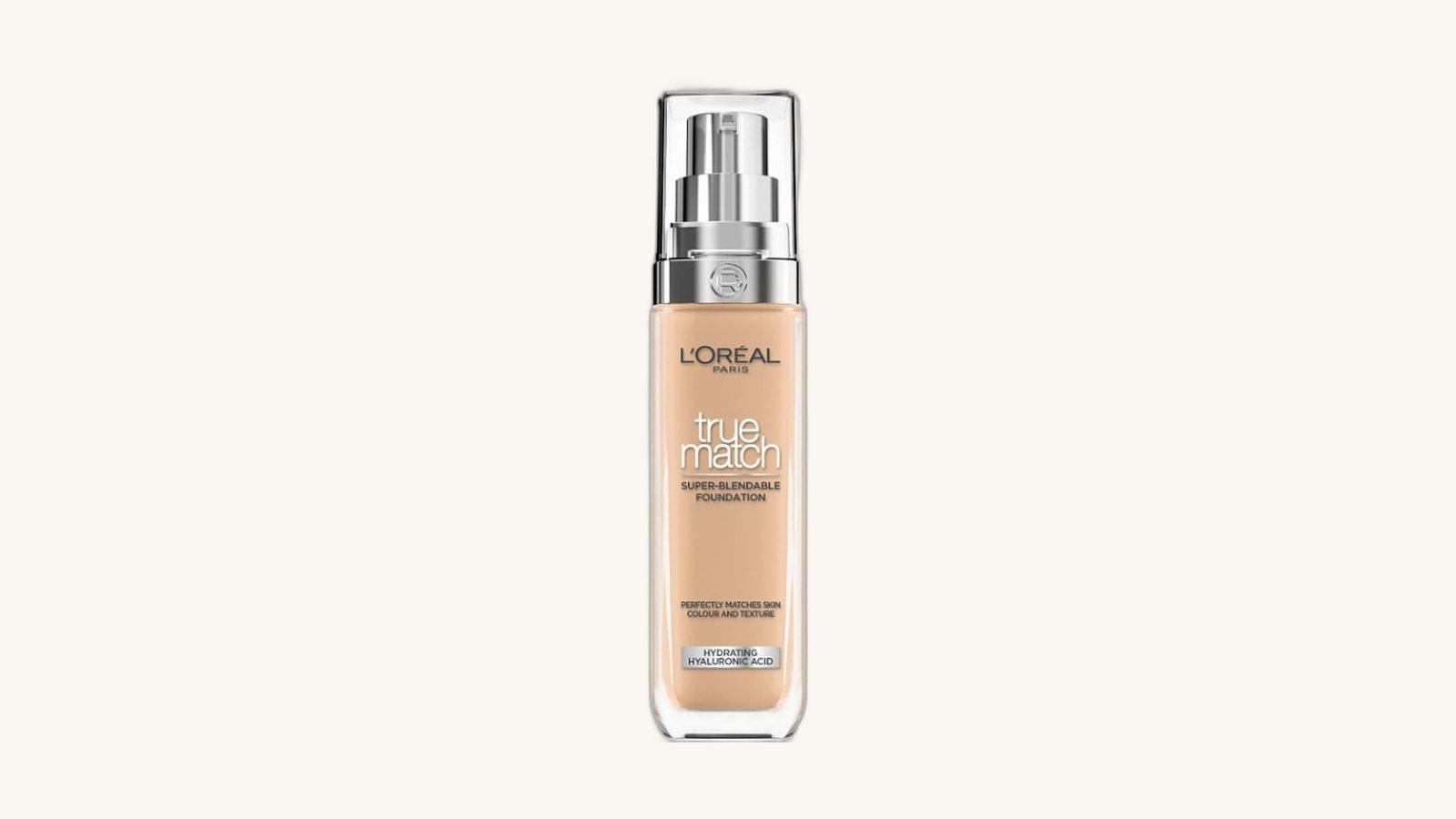
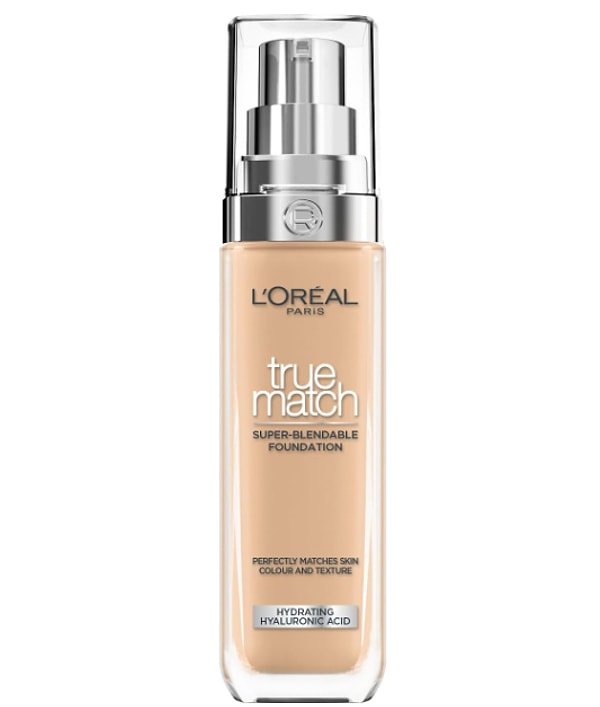
True Match rates 4.5 out of 5 on Amazon across 10,892 ratings, and its warm/cool/neutral (W/C/N) undertone labelling is genuinely praised — many users say it is how they finally found their shade family, and long-time users call the blendable, natural finish better than high-end foundations they have tried. But shade matching still trips people up: the depth jumps between neighbouring shades are large, and one CVS reviewer described mixing N2 with N3 daily, writing, “I just wish I didn’t have to play chemist every day.” Other recurring complaints: loyal users who say the newer formula and pump bottle are worse than the original (the pump also traps the last quarter of the product), “neutral” shades pulling slightly golden on cool skin, and the formula settling into pores and fine lines on mature skin.
FAQ
Can I be both warm and cool?
That usually means you are neutral — or olive, which mixes a greenish cast with either temperature. If both gold and silver jewellery suit you and foundation stripes always look slightly off, start with neutral and olive shades.
Does undertone change as I age?
No. Skin can become paler or more sallow on the surface, which changes the depth you need, but the undertone family stays the same for life.
I have deep skin — how do I test?
Skip the vein test, which is unreliable on rich skin tones. Go straight to jawline swatches in daylight, and watch for the ashy-versus-orange mismatch, which shows clearly at the jaw.
What if my face and neck are different colours?
Very common. Match your foundation to your neck and chest so your face does not look like a separate piece — you can warm the face up with blush and bronzer afterwards.