How to Choose a Lipstick Shade for Your Skin Tone
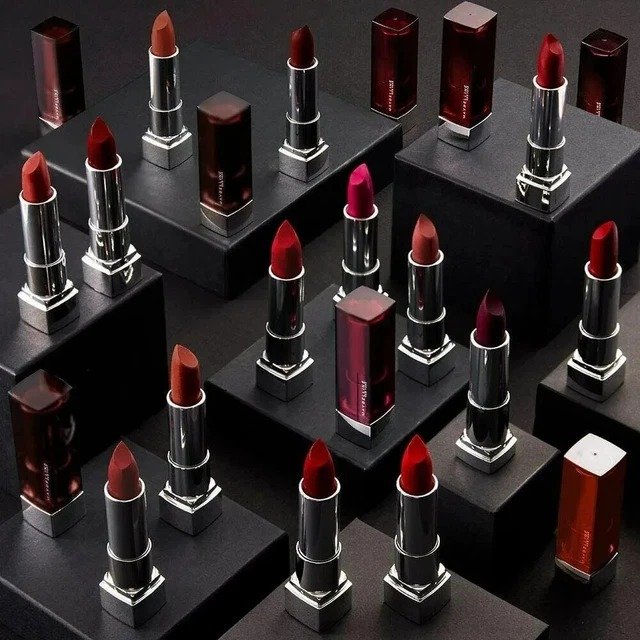
Short answer: First find your undertone — warm, cool, or neutral — using your wrist veins or jewellery. Warm undertones glow in coral, brick and warm reds; cool undertones shine in berry, plum and blue-based reds; neutral undertones can wear almost anything. Then pick a shade one or two tones deeper than your natural lip colour for everyday wear.
Step 1: Find your undertone
Your skin tone (fair, medium, deep) can tan or fade, but your undertone stays the same for life. Two quick tests:
- The vein test. Look at the veins on your inner wrist in daylight. Greenish veins usually mean a warm undertone. Blue or purple veins mean cool. Hard to tell? You are likely neutral.
- The jewellery test. Gold jewellery tends to flatter warm undertones; silver flatters cool undertones. If both look equally good, you are probably neutral.
Step 2: Match shades to your undertone
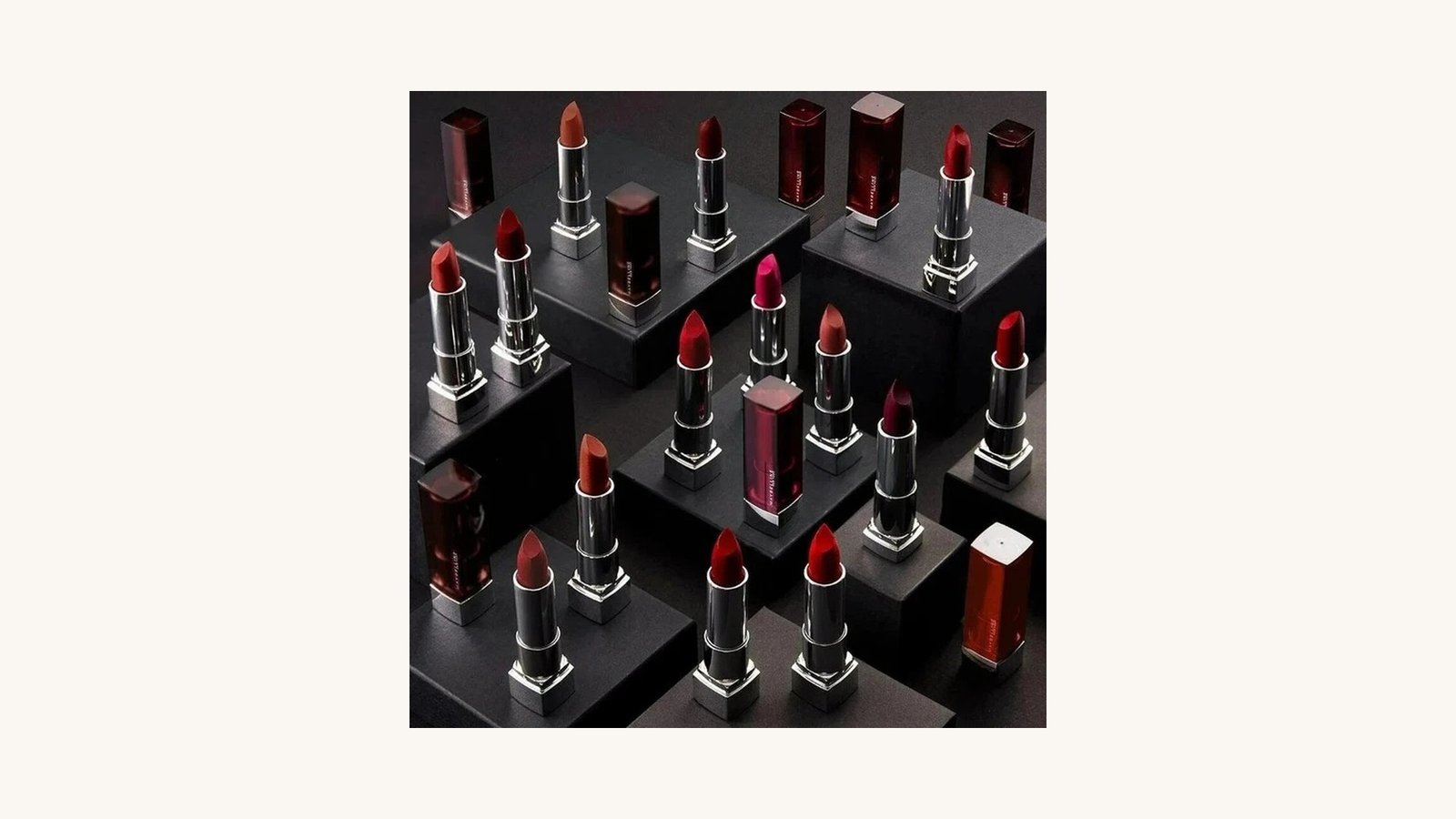
Warm undertones — choose shades with warmth in them: coral, peach, terracotta, brick red, and orange-based reds. Best nudes: warm beige and caramel nudes.
Cool undertones — choose shades with blue or pink in them: berry, raspberry, plum, mauve, and classic blue-based reds (the kind that makes teeth look whiter). Best nudes: rosy and pink-toned nudes.
Neutral undertones — you have the widest choice. Both warm corals and cool berries will work; dusty rose and soft mauve are especially safe everyday picks.
Step 3: Adjust for your skin depth
- Fair skin: soft pinks, peachy nudes and light berries look fresh; very dark shades can overpower.
- Medium skin: the most flexible range — rose, mauve, coral and true reds all work well.
- Deep skin: rich, saturated shades shine — deep berry, plum, chocolate and bold reds. Very pale, chalky nudes can look ashy, so choose nudes with warmth and depth.
A simple everyday rule: pick a shade close to your natural lip colour, just one or two shades deeper. It is almost impossible to get wrong.
How to test a shade properly
Do not test lipstick on the back of your hand — the colour and skin there are nothing like your lips. Test on your fingertip instead; its pink tone is much closer to your lip colour. Better still, apply it to one side of your lips and compare with the bare side in daylight. And judge the shade on your whole face, not the lips alone — a colour that looks strong in the tube often settles softer once worn.
Frequently asked questions
Why does the same lipstick look different on me and my friend? Because your undertones and natural lip colours differ. Lipstick is semi-transparent over your own lip colour, so the same shade genuinely becomes a different colour on each person.
What is the safest red lipstick for a beginner? A blue-based classic red suits the widest range of skin tones and makes teeth look whiter. If red feels too bold, start with a deep berry.
Can I wear a shade that “isn’t for” my undertone? Of course. Undertone matching is a shortcut for shades that flatter most easily — it is not a rule. If a colour makes you feel good, wear it.
Why does my nude lipstick make me look washed out? It is probably too light or too cool for you. Choose a nude with more warmth and depth — closer to your lip colour, not your foundation colour.