Where Should You Actually Apply Blush? (Explained Simply)
Short answer: For most faces, the most flattering modern placement is on the upper cheek, swept back and slightly up toward the temple — this lifts the face visually. The old advice to put blush on the “apples” of your cheeks (the part that pops when you smile) tends to drag the face down once you stop smiling, because the apples drop with age and gravity. Where you should put it depends on the effect you want: high and back for lift, centre-face for youthfulness, across the nose for a sun-kissed look.
Why placement matters more than the shade
Blush does two jobs: it returns the colour that foundation removed, and it redirects the eye. Colour placed low and forward makes a face look rounder and softer; colour placed high and swept back makes cheekbones look higher and the face more sculpted. Same blush, same face — the placement is doing the sculpting. This is also why a blush that “looked wrong” may have been a placement problem, not a colour problem.
The four placements that cover almost everyone
1. Lifted (the modern default). Smile lightly, then place blush on the top of the cheekbone, starting around the outer half of the eye and blending up and back toward the top of the ear. Keep it off the front centre of the cheek. This suits most face shapes and is the kindest placement for anyone over 30, because it works against downward visual pull instead of with it.
2. Youthful / soft. Blush centred on the cheeks, slightly lower and more forward, blended in a round shape. This reads fresh and doll-like, suits younger faces and round-face softness goals, and pairs with the “doujin” and soft-glam styles trending from Asian beauty. On mature skin it can emphasise sagging — use the lifted placement instead.
3. Sun-kissed. Blush swept across the cheeks and the bridge of the nose in a soft “W” shape, mimicking where the sun actually hits. Works best with warm, peachy tones and a light hand; too much looks like sunburn.
4. Sculpted / draped. Blush blended from the cheek up into the temple and even faintly into the outer eye area, replacing some of bronzer’s job. The most fashion-forward option; needs a muted shade and thorough blending to stay wearable.
The technique rules that matter more than trends
- Blend the edges, keep the centre. Blush should have a visible heart of colour with no visible border. Harsh edges, not placement, are what usually look “wrong.”
- Less than you think, built up. Especially with modern liquid and cream blushes, which are far more pigmented than powders of the past. One dot per cheek is a real starting dose for the strongest formulas.
- Apply before powder, or choose powder blush after. Creams and liquids go over foundation and under setting powder; powder blush goes on after. Mixing the order is how blush turns patchy.
- Match the finish to your skin. Matte blush on dry or textured skin emphasises pores and lines; a satin or cream finish is more forgiving. Very oily skin holds powder blush longer.
- Check in daylight. Blush is the first thing artificial light lies about — it disappears under warm bathroom bulbs and reappears, stronger, outside.
What Real Users Say
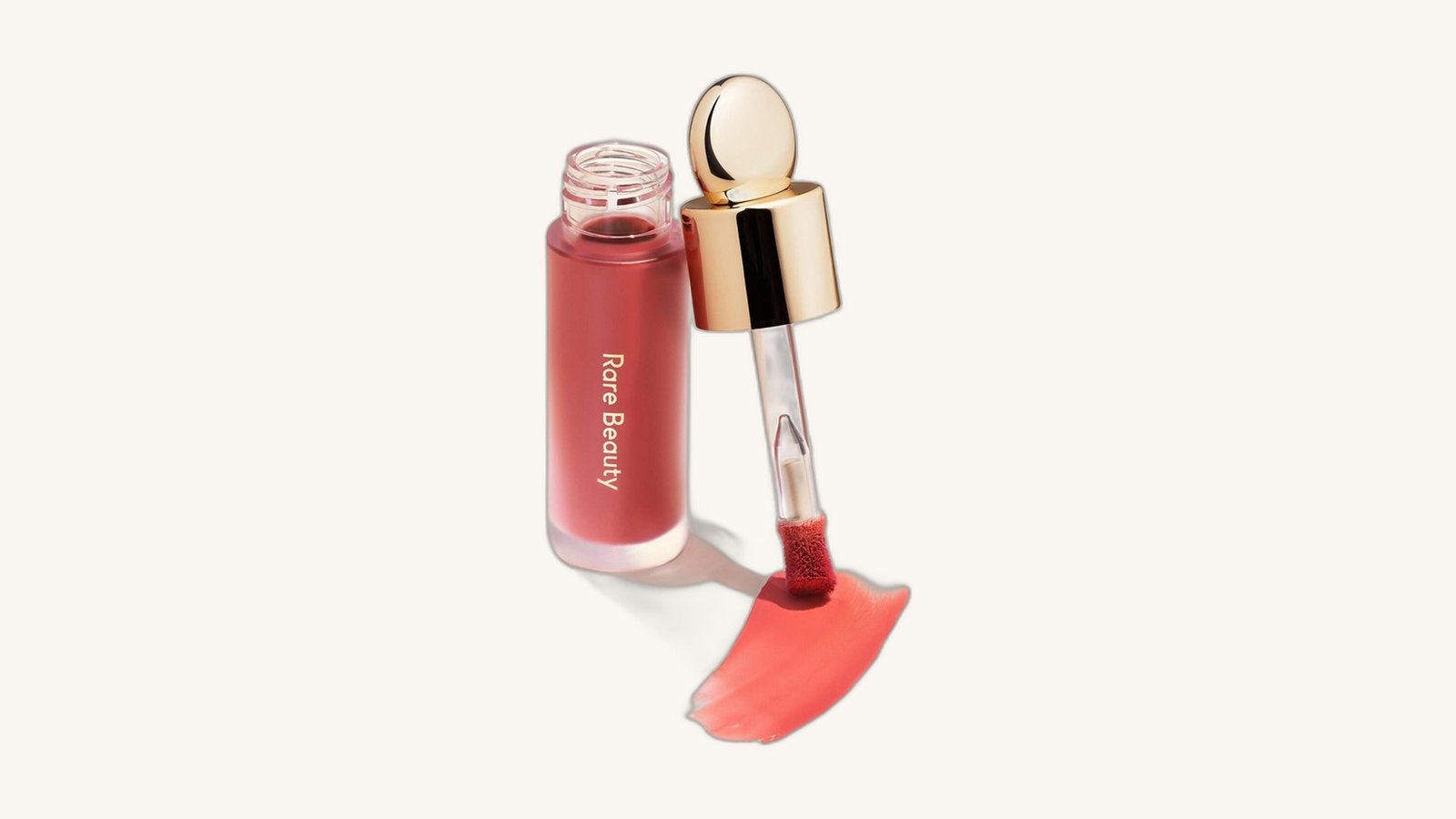
Rare Beauty’s Soft Pinch Liquid Blush is the product that taught a generation this “one dot” lesson, and its reviews are a study in pigment shock. It rates around 4.5 stars across large review counts at Sephora, and the praise is genuine: users love the shade range, the weightless skin-like finish, and staying power that survives full workdays — many reviews say a single bottle seems to last forever because so little is needed. The complaint pattern is just as consistent and entirely about strength: reviewer after reviewer admits their first application made them look sunburnt or clownish, because one full doe-foot swipe is several times too much product. The community’s standard advice — one small dot per cheek, blend fast with a brush before it sets — appears in hundreds of reviews, along with warnings that it can lift foundation if buffed too hard and that it sets quickly, punishing slow blending. A smaller group with very dry skin finds the matte finish emphasises flakes and prefers the brand’s cream formulas. Almost nobody disputes the colour payoff; the learning curve is the product.
Sources: Sephora customer ratings and reviews; Reddit threads from r/MakeupAddiction and r/Sephora. Searched: “Rare Beauty Soft Pinch blush user reviews too pigmented one dot”.
Frequently asked questions
Should blush go on the apples of your cheeks?
It is not wrong, but it is the least forgiving placement: the apples drop when you stop smiling, taking the colour down with them and ageing the face visually. Placing blush higher and further back is flattering on far more people.
Where should I put blush if I have a round face?
Higher and further back, swept toward the temples, keeping colour off the front centre of the cheeks. This adds angles instead of emphasising roundness.
Can blush replace bronzer or contour?
Partly — draped blush (placement 4 above) does some of bronzer’s warming and sculpting work, and many people now use blush alone for a fresher result. It will not create shadow the way contour does, so it gives lift and colour rather than carved definition.
Why does my blush disappear within an hour?
Usually one of three causes: it was applied over unset, slippery foundation; the formula is sheer and needs layering; or oily skin broke it down. Fixes: apply cream blush, set it lightly with a matching powder blush on top (“blush sandwich”), and check your base is not overly dewy underneath.
What blush colour suits everyone?
Soft peachy-pinks are the closest to universal — they read as warmth on fair skin and as freshness on deeper tones. Beyond that, match your undertone: cool pinks and berries for cool skin, peaches and corals for warm skin.