Can You Use Retinol and Vitamin C Together?
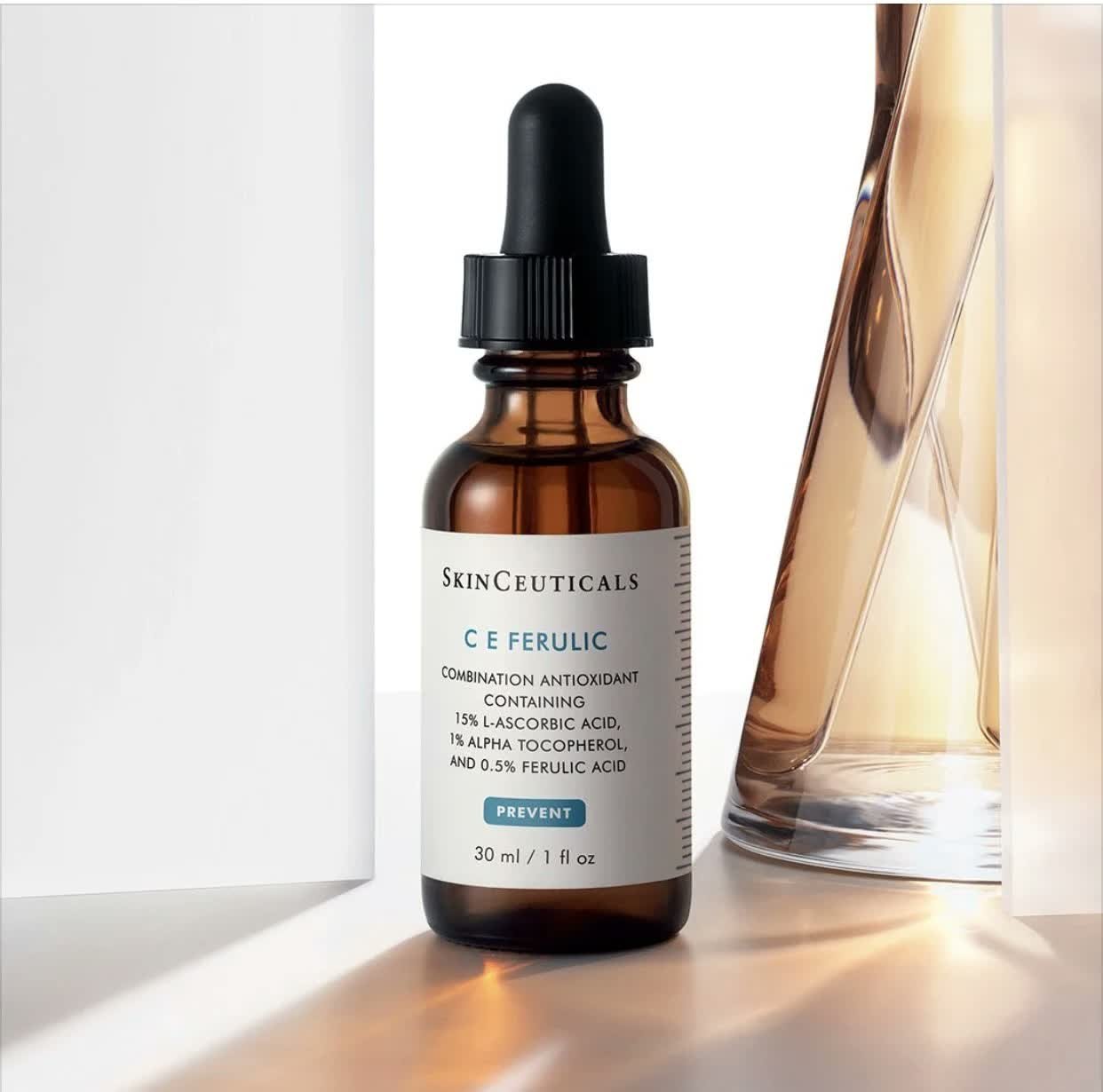
Short answer: Yes. The famous rule that retinol and vitamin C “cancel each other out” is a myth — no study shows they neutralise each other. The easiest way to use both is vitamin C in the morning and retinol at night, but that split exists to reduce irritation and respect each ingredient’s preferred formula conditions, not because they are enemies.
Where the “never mix” rule came from
The rule grew out of two real facts that got exaggerated. First, pure vitamin C (L-ascorbic acid) only penetrates skin well in a very acidic formula, below pH 3.5. Retinoids, on the other hand, are formulated closer to skin’s natural pH (around 5–7) and can become more irritating in strongly acidic company. Second, early advice treated that pH mismatch as if the two ingredients destroyed each other on contact. They do not. Ascorbic acid is itself an antioxidant, and there is no chemical evidence that the concentrations used in skincare meaningfully interfere with each other on the skin.
What the evidence actually shows
Direct research on the pair is limited but points the opposite way from the myth. In small double-blind, vehicle-controlled studies, a preparation containing both retinol and vitamin C applied to aged and sun-damaged skin produced measurable improvements in the skin’s structure over three to six months. The samples were small, so this is not proof the combination is superior — but it is solid evidence that they do not cancel each other out. Meanwhile, each ingredient has strong independent evidence: vitamin C as an antioxidant that supports collagen and brightens, retinol as one of the best-studied ingredients for texture, fine lines, and pigmentation.
The real reasons people separate them
- Irritation adds up. Both a low-pH vitamin C serum and a retinoid can sting, flake, and sensitise skin on their own. Layered together — especially by a beginner — the combination is simply more than many faces tolerate.
- Each has a preferred time of day anyway. Vitamin C earns its keep in the morning, where its antioxidant effect supports sunscreen against the day’s UV and pollution. Retinol is traditionally used at night because retinoids are fragile and degrade in sunlight.
- Troubleshooting is easier. If your skin reacts, separating actives makes it obvious which one caused it.
The simple way to use both
Morning: gentle cleanse (or water) → vitamin C serum → moisturizer → sunscreen.
Evening: cleanse → retinol → moisturizer.
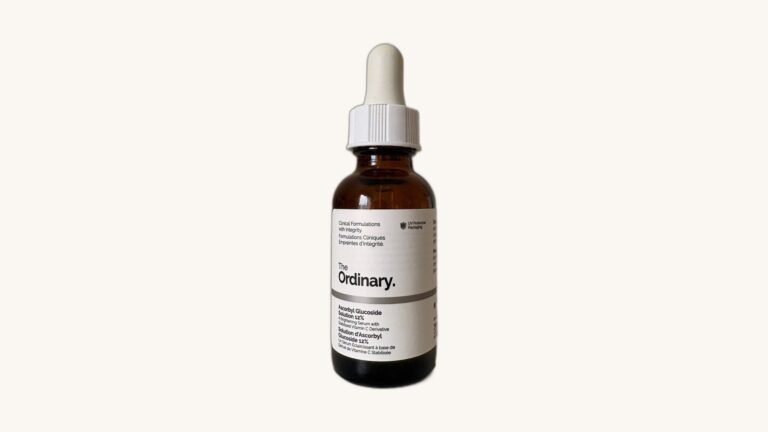
Start the retinol slowly — two or three nights a week — and increase as your skin tolerates it. If you prefer to layer them in a single routine, it is usually better tolerated with a derivative vitamin C (such as sodium ascorbyl phosphate, ascorbyl glucoside, or ethylated L-ascorbic acid), which are formulated at skin-friendly pH and remove the pH clash entirely. Apply vitamin C first, let it absorb for a few minutes, then retinol, then moisturizer. Some products are also formulated with both ingredients together by the manufacturer, in which case the compatibility work has been done for you.
Who should definitely keep them apart
Anyone with sensitive, reactive, or currently damaged skin; anyone in their first months of using a retinoid; and anyone using a prescription retinoid such as tretinoin, where adding a strong acid serum on the same night is asking for a reaction. When in doubt, the morning/night split gives you both ingredients with the least risk — you lose nothing by separating them.
Key takeaways
- Retinol and vitamin C do not cancel each other out — that claim has no evidence behind it
- The genuine concerns are irritation and formula pH, both manageable
- Vitamin C in the morning, retinol at night is the simplest, lowest-risk arrangement
- Vitamin C derivatives can be layered with retinol more easily than pure L-ascorbic acid
What Real Users Say
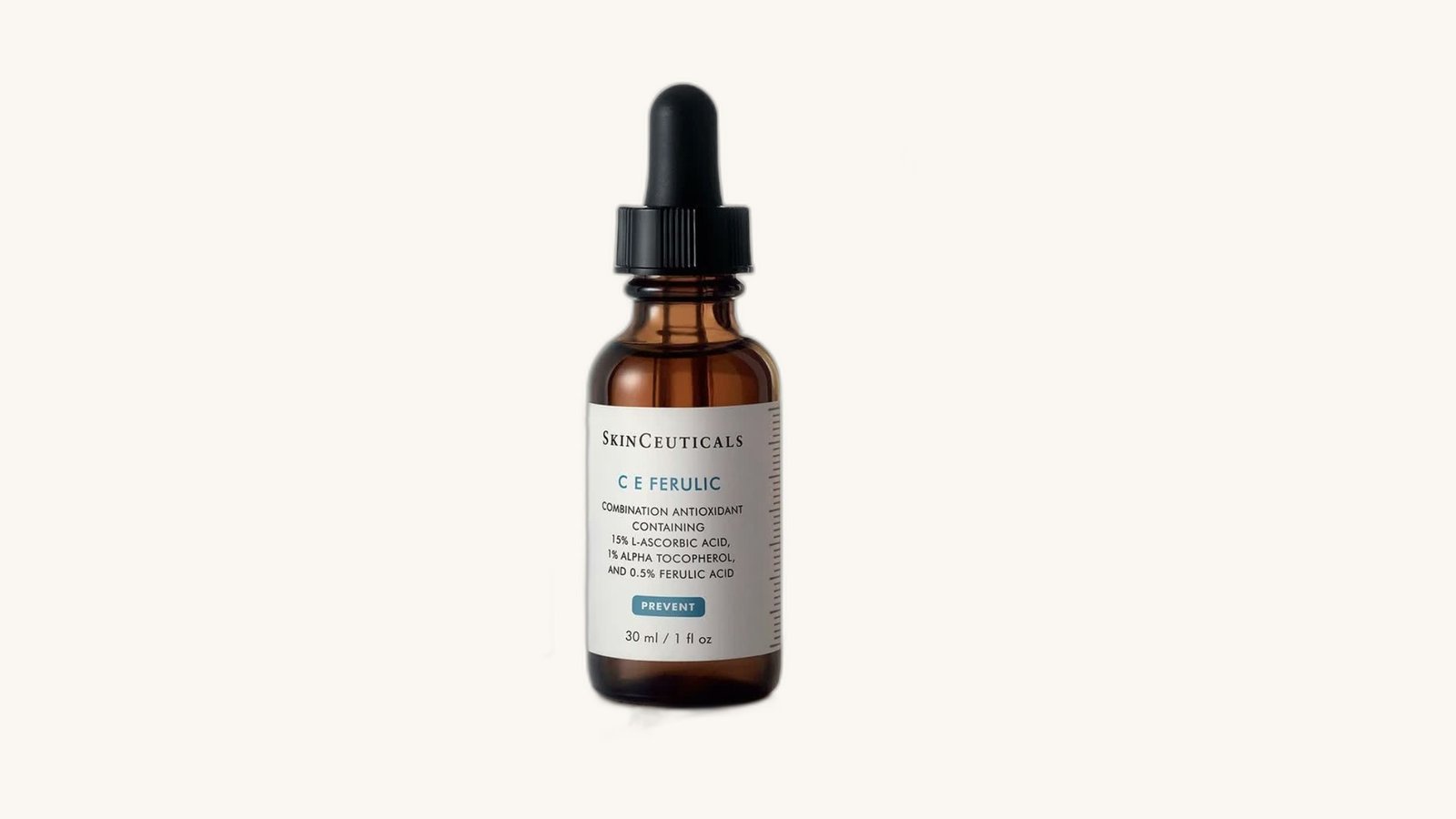
Few serums split opinion like this one. Aggregated review data (Lovi, drawing on 31,900+ reviews across retailers) puts it at 4.5 out of 5, and loyal users report brighter, more even skin and faded dark spots after two to three months. The complaints are famous: the “hot dog water” smell, the sticky feel, and a price around $182 for 30 ml. It also oxidises — users warn a bottle darkens and loses potency within about three months of opening. On LovelySkin, several sensitive-skin reviewers report burning, rashes and breakouts, and more than one long-term user says they saw no visible difference for the money.
FAQ
Can I use a product that contains both retinol and vitamin C?
Yes — if a reputable brand has formulated them together, the stability and pH work has been handled in the lab. That is different from layering two separate strong products at home.
What happens if I layer them and my skin stings?
That is irritation, not the ingredients “fighting.” Rinse, moisturize, and separate them by time of day going forward. Persistent stinging from either product alone means reducing frequency.
Does vitamin C make retinol stronger?
Not directly. They work through different pathways — vitamin C mainly as an antioxidant and collagen supporter, retinol by speeding cell turnover — which is why using both can cover more ground than either alone.
Should I use vitamin C or retinol first if I layer?
Vitamin C serum first (thinnest, most acidic products generally go first), wait a few minutes for it to absorb, then retinol, then moisturizer.