Niacinamide vs Hyaluronic Acid: Which One Does Your Skin Need?
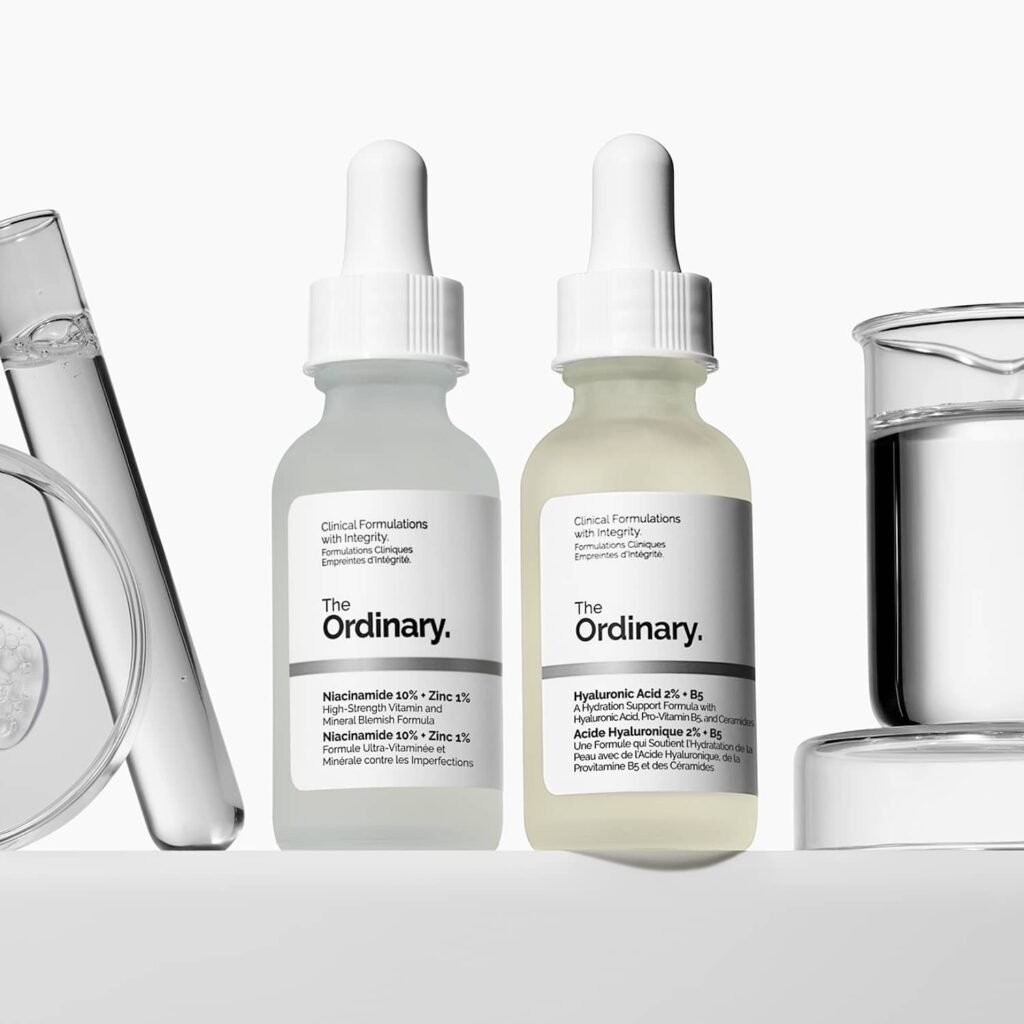
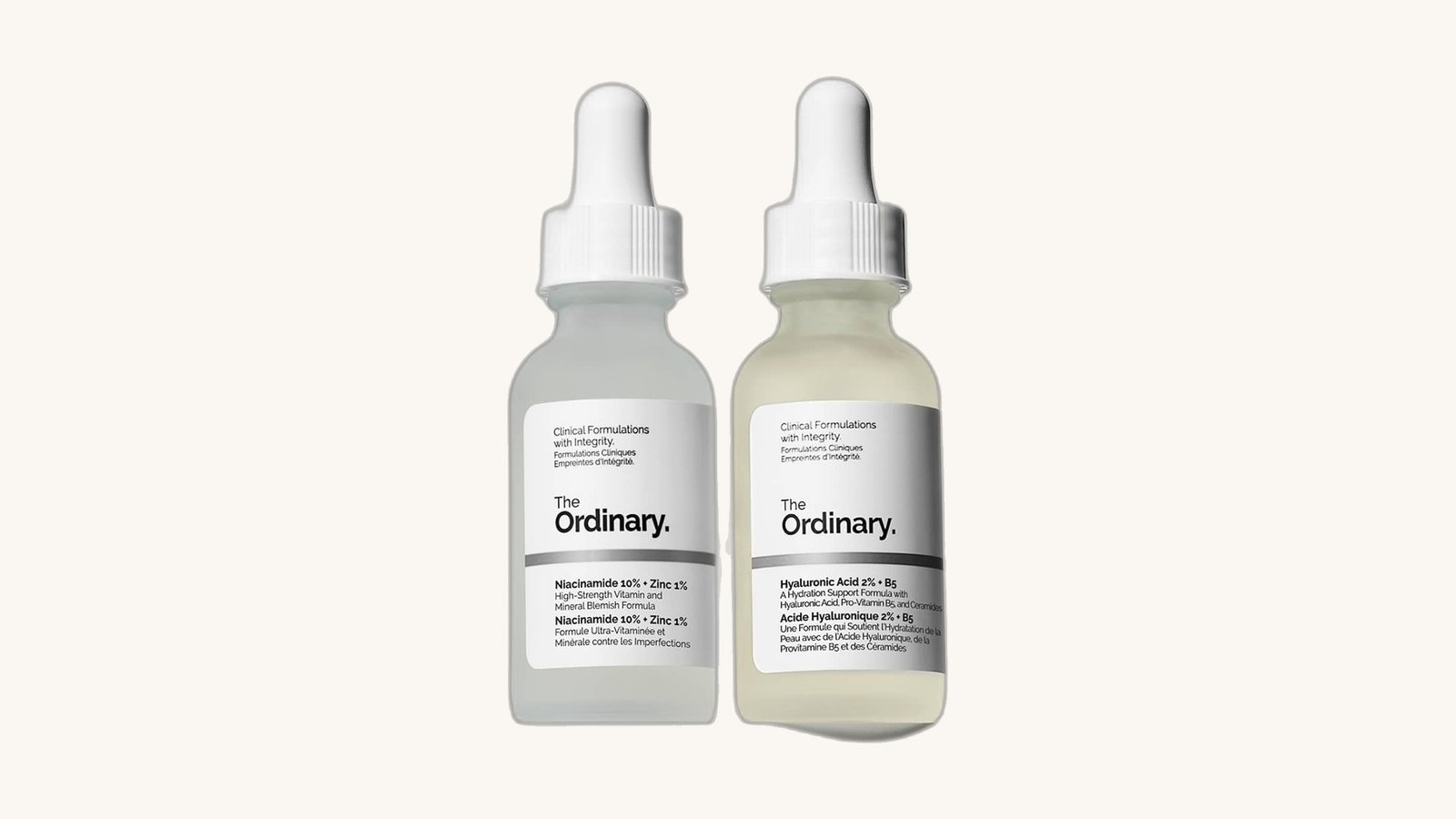
Short answer: They are not rivals, and your skin does not have to choose. Hyaluronic acid is a water magnet — it pulls moisture into the surface of your skin and makes it look plumper. Niacinamide (vitamin B3) is a barrier supporter — it helps with redness, oil balance, uneven tone and stronger, calmer skin. Dry, tight skin needs hyaluronic acid first. Red, oily or sensitive skin usually benefits more from niacinamide. Many people use both, layered together.
What hyaluronic acid does
Hyaluronic acid (HA) is a humectant — a molecule that attracts and holds water, many times its own weight. Your skin makes it naturally, but production drops with age. In a serum, it temporarily plumps the surface with water, softening dry fine lines and making skin feel less tight.
How to use it correctly: Apply HA serum to slightly damp skin — this gives it water to grab onto — then seal it in with moisturiser straight away. Used on dry skin in a dry climate without a moisturiser on top, it can actually leave skin feeling drier, because the water it pulls in evaporates. The moisturiser “lid” is not optional.
What niacinamide does
Niacinamide is vitamin B3, and it works on the skin barrier rather than on water. It helps skin make ceramides (the “mortar” between skin cells), meaning less water loss and skin that tolerates other products better. It also calms visible redness, helps balance oil, and supports a more even tone.
How much is enough: Studies and real-world use show 2–5% niacinamide does the job. The 10% serums everywhere are mostly marketing — more is not better, and high percentages are the ones most likely to cause flushing or irritation. If a 10% product stings, a lower strength will probably suit you better, not worse.
Which one does YOUR skin need?
- Dry, tight, flaky skin → hyaluronic acid first (on damp skin, sealed with moisturiser).
- Oily or combination skin with shine and visible pores → niacinamide.
- Redness, sensitivity, or a weakened barrier (products suddenly stinging) → niacinamide, gently introduced.
- Dull, uneven tone and dark spots → niacinamide helps more; HA only adds temporary plumpness.
- Dehydrated skin that is also oily (tight yet shiny) → you likely need both: water from HA, barrier support from niacinamide.
Can you use them together?
Yes — they are one of the easiest pairs in skincare and do not conflict. Layer thinnest first:
- Cleanse, and leave skin slightly damp.
- Apply hyaluronic acid serum.
- Apply niacinamide serum.
- Finish with moisturiser (and sunscreen in the morning).
Both are gentle, both work morning and night, and both sit comfortably alongside most other ingredients — which is exactly why they are not rivals. They simply do different jobs: one adds water, the other strengthens the wall that keeps the water in.
Frequently asked questions
Which one is better for wrinkles? Neither is a direct wrinkle treatment. HA plumps dry fine lines temporarily with water; niacinamide improves overall skin quality over time. For wrinkles specifically, sunscreen and retinol do the heavy lifting — these two support them.
Can niacinamide and hyaluronic acid cause irritation? Both are among the gentlest skincare ingredients. Irritation is uncommon and usually comes from a very high niacinamide percentage (10%) or from other ingredients in the same formula. If your skin is reactive, patch-test first.
Do I need both serums? No. Many moisturisers already contain niacinamide or humectants like HA and glycerin. Buy a separate serum only for the job your routine is missing — water, or barrier support.
How long until I see results? HA works within minutes (that plump, comfortable feeling) but only lasts while you keep using it. Niacinamide takes 4–8 weeks of regular use for visible changes in redness, oil and tone.