Does Ozempic Cause Hair Loss?

Short answer: Ozempic itself has not been shown to damage hair follicles, and hair loss is not listed on the Ozempic label. But hair shedding is genuinely common during GLP-1 treatment — in trials of the higher-dose weight-loss versions of these drugs, roughly 3–7% of people reported it. The best-supported explanation is not the drug poisoning your hair. It’s the rapid weight loss itself, which can trigger a temporary shedding condition called telogen effluvium. For most people, the hair grows back once weight and nutrition stabilise.
This article is general information only. It is not medical advice. If you are losing hair on any medication, talk to your prescribing doctor or a dermatologist — and never stop a prescribed drug because of something you read online.
What the labels and trials actually say
It helps to separate the brand names, because the data differs by dose:
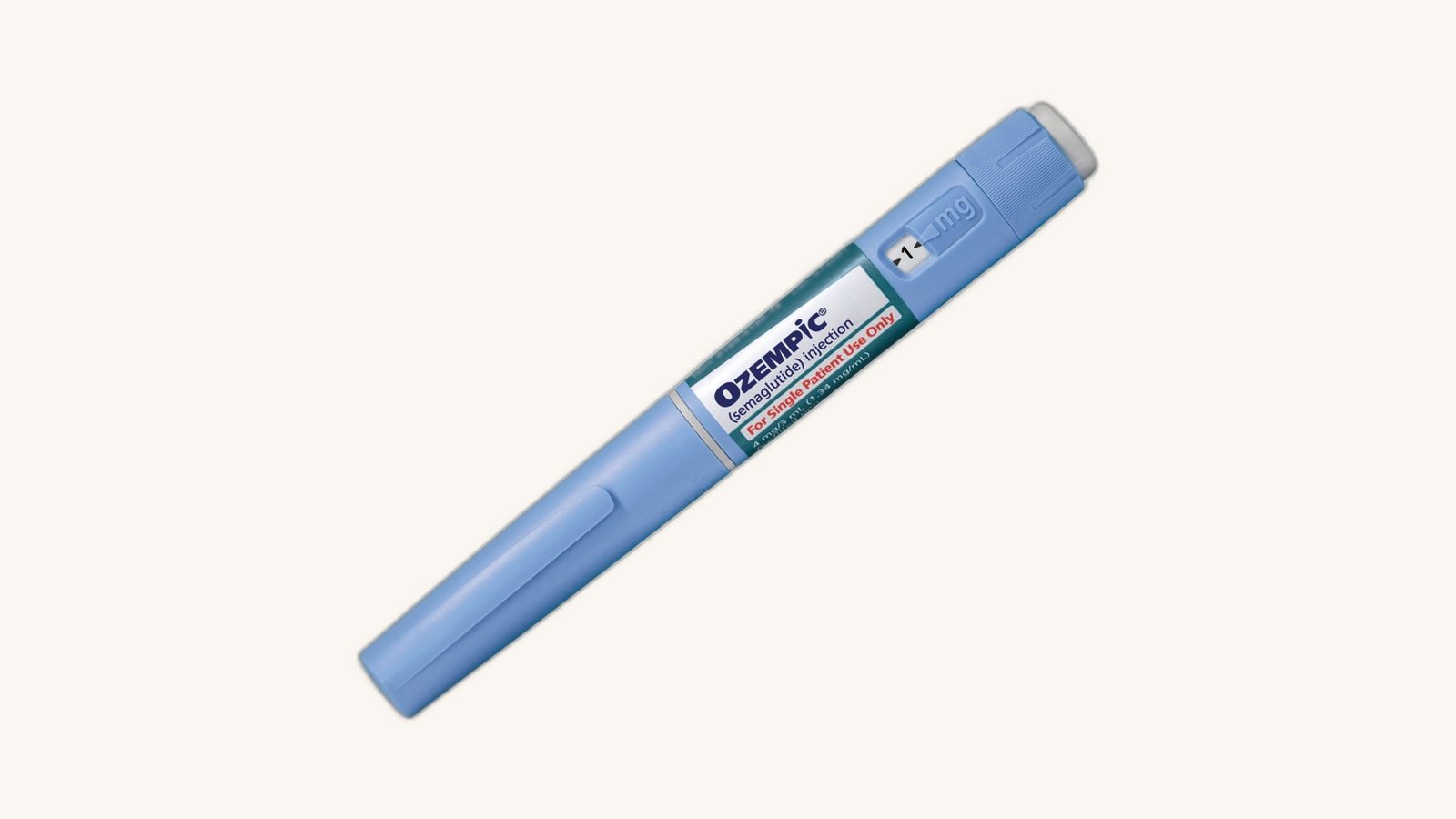
- Ozempic (semaglutide, up to 2 mg, for type 2 diabetes): hair loss is not listed as a side effect in its FDA prescribing information, and the diabetes trials (the SUSTAIN programme, where average weight loss was modest) showed no meaningful hair-loss signal.
- Wegovy (the same drug, semaglutide 2.4 mg, for weight loss): hair loss is listed on the label. In the STEP 1 trial (1,961 adults, published in the New England Journal of Medicine), about 3% of people on semaglutide reported hair loss, versus about 1% on placebo.
- Zepbound (tirzepatide, for weight loss): the label reports hair loss in 7.1% of women versus 0.5% of men (placebo: 1.3% of women, 0% of men) — the widest sex gap on any GLP-1 label. Importantly, the label states these reactions were “associated with weight reduction,” and no patient in the pooled trials stopped treatment because of hair loss.
The pattern across all three is consistent: the more weight lost, and the faster, the more shedding reported. One analysis found the rate rose to about 5.3% in people who lost more than 20% of their body weight on semaglutide.
Why it happens: telogen effluvium
Your hair follicles cycle through growth and rest phases. A physical stress — major surgery, illness, childbirth, or rapid weight loss — can push an unusually large share of follicles into the resting (telogen) phase at once. Two to four months later, those hairs shed together. This is telogen effluvium, and it is a well-documented response to exactly the situation GLP-1 drugs create: fast weight loss plus eating much less, which often means less protein, iron, and other nutrients hair needs.
Two features make doctors fairly confident this is the main mechanism: the shedding is diffuse (all over, not patches or a receding pattern), and it is temporary. Telogen effluvium does not scar or destroy follicles. Shedding typically peaks a few months after the rapid-loss phase, settles over the following 3–6 months, and regrowth follows over roughly 6–12 months once weight stabilises.
The honest limits of the evidence
Three caveats deserve to be stated plainly:
- A drug effect hasn’t been fully ruled out. Analyses of the FDA’s adverse-event database (FAERS) found hair loss reported disproportionately often for semaglutide and tirzepatide (Godfrey et al., Journal of the European Academy of Dermatology and Venereology, 2025). That kind of data cannot prove cause and effect — people on famous drugs report more of everything — but it is why researchers say a small direct contribution is still an open question.
- Real-world rates may be higher than trial rates. A 2025 systematic review found some studies reporting new or worsening hair loss in up to ~11% of GLP-1 patients, likely because trials undercount cosmetic side effects people don’t mention.
- Most of the evidence is observational, and the one genetic study often cited in headlines only included men, so it says nothing reliable about women’s risk.
What you can actually do
- Don’t stop the medication on your own. Discuss it with your prescriber; the shedding usually resolves while treatment continues.
- Eat enough protein and avoid crash-dieting on top of the drug’s appetite suppression — nutritional shortfall is part of the trigger.
- Ask your doctor about blood tests (iron/ferritin, vitamin D, B12, thyroid), since deficiencies are common during rapid weight loss and are correctable. Only supplement what you’re actually low in.
- Be gentle and patient: minimise heat styling and tight hairstyles while shedding, and judge any change over months, not weeks.
- See a dermatologist promptly if loss is patchy, the scalp is inflamed or scaly, or there’s no regrowth after your weight has been stable for 6+ months — those patterns suggest something other than telogen effluvium.
What Real Users Say
Hair shedding is one of the most talked-about experiences in Ozempic and Wegovy communities. An analysis of roughly 400,000 Reddit posts found users commonly describing hair “falling out” a few months into treatment, usually alongside rapid weight loss; one Reddit user, Lola Stark, said her brush came away with a full clump of hair every time she brushed. On Drugs.com, Ozempic averages 6.7 out of 10 across 1,692 reviews (52% positive, 22% negative), and hair thinning is a recurring complaint, reported most by women who lost weight fastest. Most accounts describe shedding that slows once weight stabilises, but a minority say it continued and caused real distress.
FAQ
Will my hair grow back after Ozempic?
In the typical telogen effluvium pattern, yes. Once weight and nutrition stabilise, follicles re-enter the growth phase; visible improvement usually takes 3–6 months and fuller regrowth 6–12 months.
Why does Zepbound’s label list higher rates than Ozempic’s?
Dose and weight loss. Zepbound and Wegovy are higher-dose weight-loss treatments producing larger, faster losses than diabetes-dose Ozempic — and the shedding tracks the weight loss, not the brand name.
Are women really affected more?
In the Zepbound trial data, yes: 7.1% of women vs 0.5% of men. Whether that’s biology, longer hair making shedding more noticeable, or reporting differences isn’t settled.
Should I take biotin or a hair supplement?
There’s no good evidence that supplements fix GLP-1-related shedding unless you have a proven deficiency. A blood test first is money better spent.